
School Mold Remediation
Professional mold removal and remediation in schools to ensure a safe, healthy environment.
School mold remediation in Lake Forest, CA, involves safely removing mold growth from educational facilities like private schools, ensuring containment, proper removal, and clearance testing to prevent further spread.
This process is critical for maintaining healthy learning environments and protecting students and staff from potential health risks associated with mold exposure.
We also handle Crawl Space & Basement Mold Remediation and Attic Mold Remediation for Lake Forest properties.
When is professional remediation needed?
Mold in schools often exceeds the scope of a simple wipe-down. When mold covers more than a small, isolated patch—such as 25 contiguous square feet or larger—it typically requires professional intervention.
Recurring growth in the same spot or a persistent musty smell, even without visible mold, can indicate hidden moisture issues or contamination beyond surface levels.
Hidden mold, such as behind walls, under flooring, or inside HVAC ducts, often spreads undetected until it becomes widespread. If cleaning efforts fail to resolve the issue or the mold keeps returning, it’s a sign that the moisture source or structural problem needs professional assessment and remediation.
Signs Professional Remediation Is Needed
- Mold covers more than 25 contiguous square feet in a single area
- Mold keeps returning after cleaning attempts
- A musty smell persists with no visible mold
- Mold is found in HVAC ducts or behind walls/flooring
- Children or staff report respiratory irritation or allergies linked to the space
How pricing and scope are determined
Pricing for school mold remediation in Lake Forest varies based on the size of the affected area, the complexity of containment, and whether the facility can remain operational during the work.
Unlike residential projects, commercial or institutional remediation is typically priced per project after a walkthrough rather than by a flat rate, as the specifics of each site influence costs significantly.
Additional factors like the need for after-hours work, stricter containment protocols, or multi-unit coordination (e.g., shared spaces in private schools) can impact the final cost. Always confirm whether the quote includes inspection, containment, remediation, and clearance testing, as these steps are often billed separately.
What to watch for in a remediation contract
A clear, written scope of work is essential to avoid unexpected costs or incomplete remediation. Verify that the contract specifies whether containment, clearance testing, and moisture source repairs are included—or if they’ll be billed separately.
Vague language about ‘affected areas’ can lead to disputes later, especially if hidden mold is discovered during demolition.
Red flags include pressure to sign during the inspection, upfront payment demands, or quotes that exclude critical steps like third-party testing. Always ask for documentation confirming the contractor’s California State License Board (CSLB) registration for jobs over $500, as mold remediation licensing falls under general building classifications in California.
Contract Red Flags to Avoid
- No written, itemized scope of work provided before starting
- Pressure to sign the contract during the same visit as the inspection
- Full payment requested before any work begins
- No mention of post-remediation clearance testing
- Vague descriptions of ‘affected areas’ without square footage
How school mold remediation works
This process ensures mold is contained, removed, and prevented from returning by addressing both visible growth and hidden moisture sources.
- 1Containment Setup
Plastic sheeting and negative-air machines seal off the work area to prevent mold spores from spreading to unaffected spaces during removal.
- 2Material Removal or Cleaning
Porous materials like drywall or carpet padding—absorbed with mold—are cut out and bagged, while non-porous surfaces like tile or framing are scrubbed and treated.
- 3HEPA Filtration and Drying
HEPA air scrubbers run continuously to capture spores, and industrial dehumidifiers dry framing and subfloors to prevent regrowth.
- 4Clearance Testing
An independent lab tests air or surfaces post-remediation to confirm spore levels are back to normal before containment is removed.
- 5Moisture Source Repair
Leaks, condensation, or grading issues are fixed to stop future mold growth, as treating only the visible mold often leads to recurrence.
Frequently asked questions
How do I know if the mold in my child’s school is serious enough to need professional remediation?
If the mold covers more than 25 square feet, keeps returning after cleaning, or is hidden (e.g., in ducts or behind walls), professional remediation is typically required. Persistent musty smells or health symptoms like coughing or allergies in students/staff are also strong indicators.
Will the school need to close during remediation, or can classes continue?
Remediation can often proceed without full closure, but containment may limit access to affected areas. The school may need to adjust schedules for classrooms or shared spaces during the work, depending on the scope.
How long does it take to complete mold remediation in a school setting?
Timelines vary by size and complexity, but containment, removal, and drying typically take 3–7 days. Clearance testing adds 1–3 days, and repairs for moisture sources may extend the process further.
Can I trust that the mold won’t come back after remediation?
Remediation removes existing mold, but recurrence depends on fixing the moisture source. Monitoring humidity levels in the affected area for the first year helps catch early regrowth while it’s still manageable.
Where Lake Forest sits, and what the Census lists nearby
Lake Forest sits in California, and the closest places listed in the U.S. Census Gazetteer are Mission Viejo (3.3 miles south), Laguna Woods (4.3 miles southwest), Laguna Hills (4.6 miles south), Modjeska (4.6 miles northeast).
Within 25 miles of Lake Forest the same source lists 62 distinct incorporated places and census-designated places.
Those figures matter for school mold remediation because they are straight-line distances between Census coordinate points: road mileage between Lake Forest and Mission Viejo runs longer than the 3.3 miles shown, which is why quotes for the same job differ between towns that look close together on a map.
Source: U.S. Census Bureau Gazetteer.
See Orange, CA for more, or find out about the full mold remediation lineup we run in Lake Forest across the area for our complete lineup.
Ready to get started?
Talk to a local mold remediation pro in Lake Forest — get a written quote.
Other Mold Remediation Services in Lake Forest
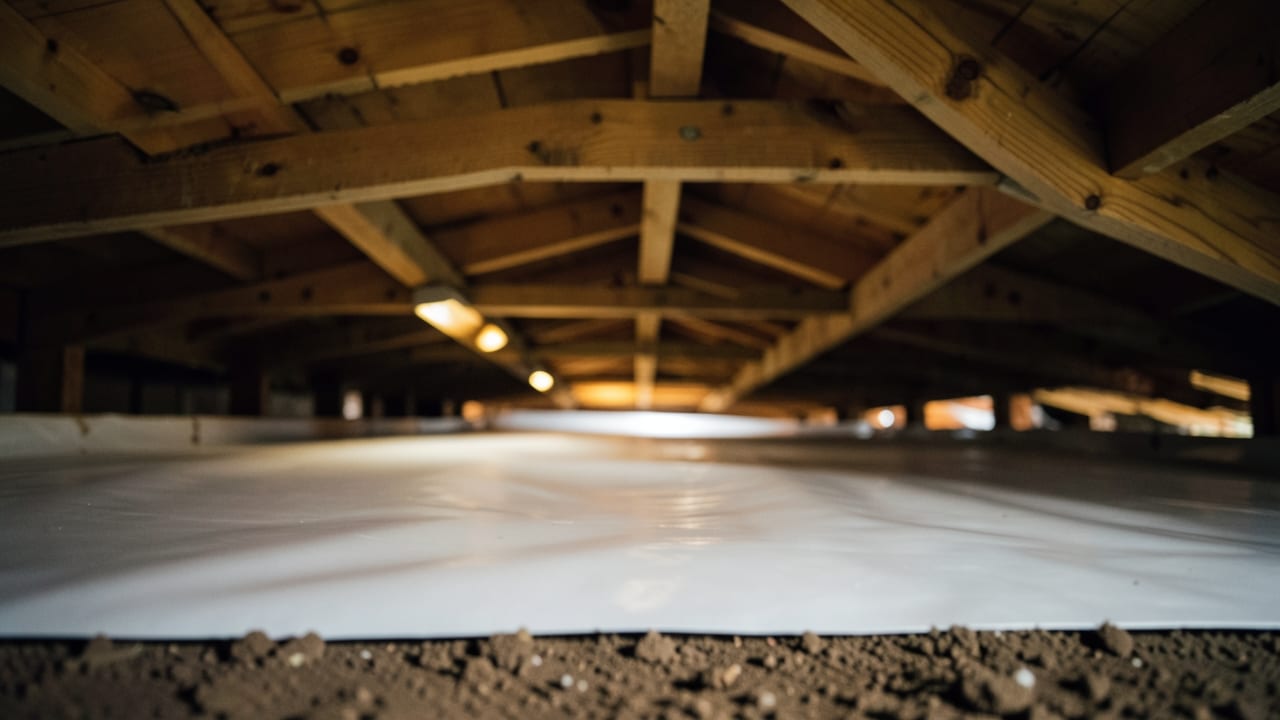
Crawl Space & Basement Mold Remediation in Lake Forest, CA
Crawl space and basement mold remediation in Lake Forest, CA addresses the two areas of a property most prone to trapped, unnoticed moisture.
Learn More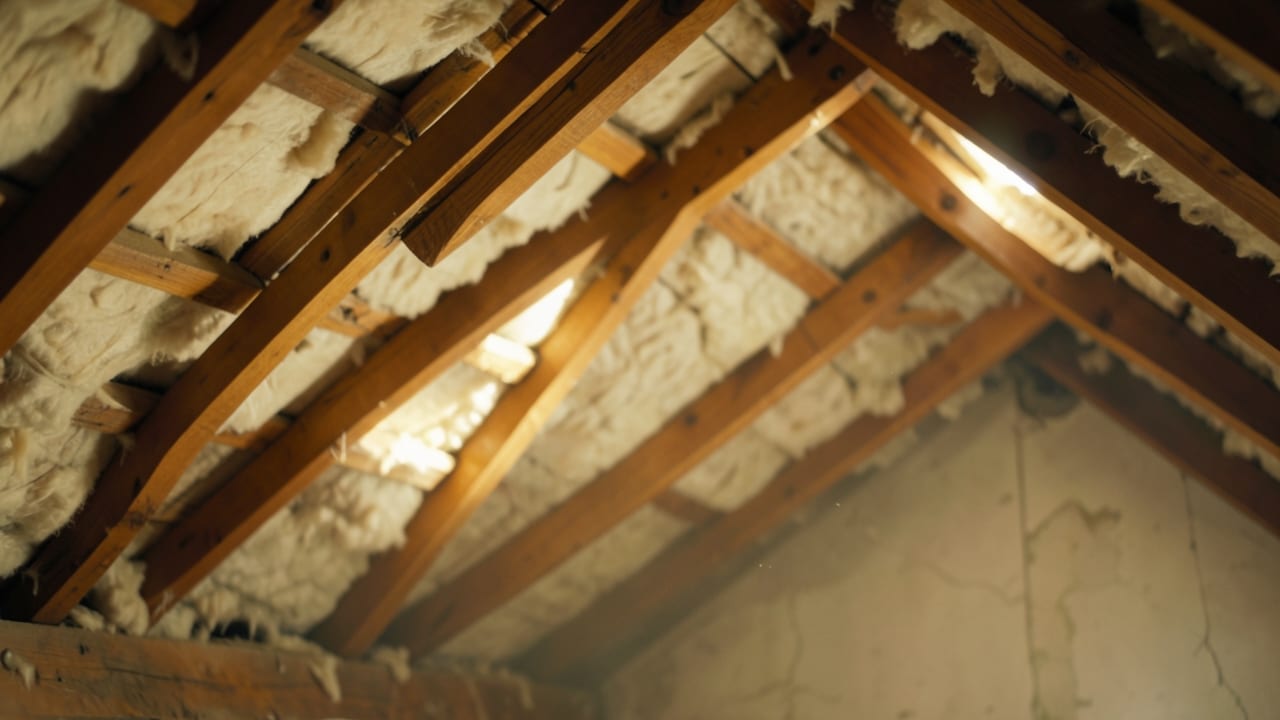
Attic Mold Remediation in Lake Forest, CA
Attic mold remediation in Lake Forest, CA addresses roof-deck growth typically caused by poor ventilation or a hidden roof leak.
Learn More
Commercial Mold Remediation in Lake Forest, CA
Commercial mold inspection and remediation in Lake Forest, CA for offices, retail space, and multi-unit properties, scheduled around business operations.
Learn More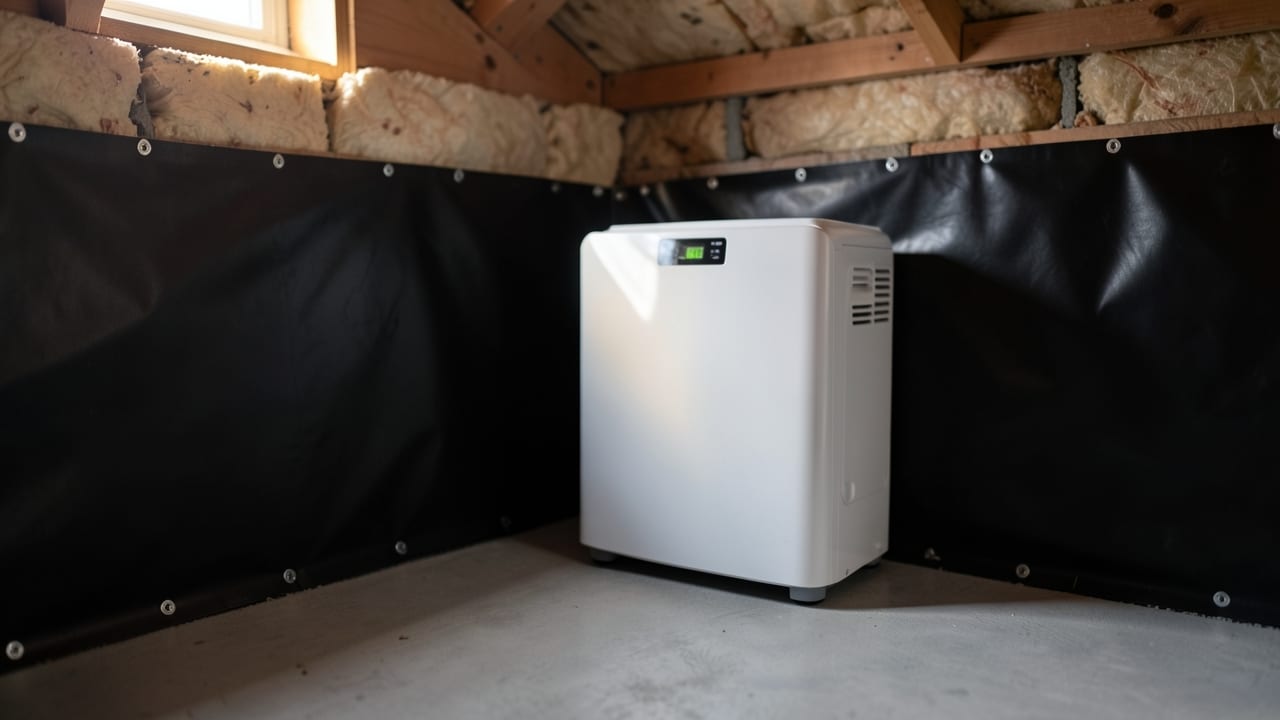
Mold Prevention & Moisture Control in Lake Forest, CA
Mold prevention and moisture control in Lake Forest, CA — addressing ventilation, humidity, and drainage before growth starts, not after.
Learn More
Mold & Asbestos Testing in Lake Forest, CA
Combined mold and asbestos testing in Lake Forest, CA — one inspection visit, lab-verified results for both.
Learn More
HVAC Mold Remediation in Lake Forest, CA
HVAC and ductwork mold remediation in Lake Forest, CA — mold growing inside the air handler or duct system, spreading through every vent.
Learn MoreCommon Questions About Mold Remediation in Lake Forest
Everything you need to know about mold remediation services in Lake Forest
How much does School Mold Remediation typically cost in Lake Forest, CA?
Does coastal humidity around Lake Forest, CA change how mold risk is assessed?
How does mold remediation actually prevent the problem from coming back?
Can mold growing inside HVAC ductwork spread to the rest of a home?
Does mold mean the same thing as mildew?
Does homeowners insurance typically cover mold remediation?
Need Mold Remediation in Lake Forest?
Connect with local providers in Lake Forest for a detailed quote.
⏰ We answer your call • Serving all of Lake Forest and surrounding areas