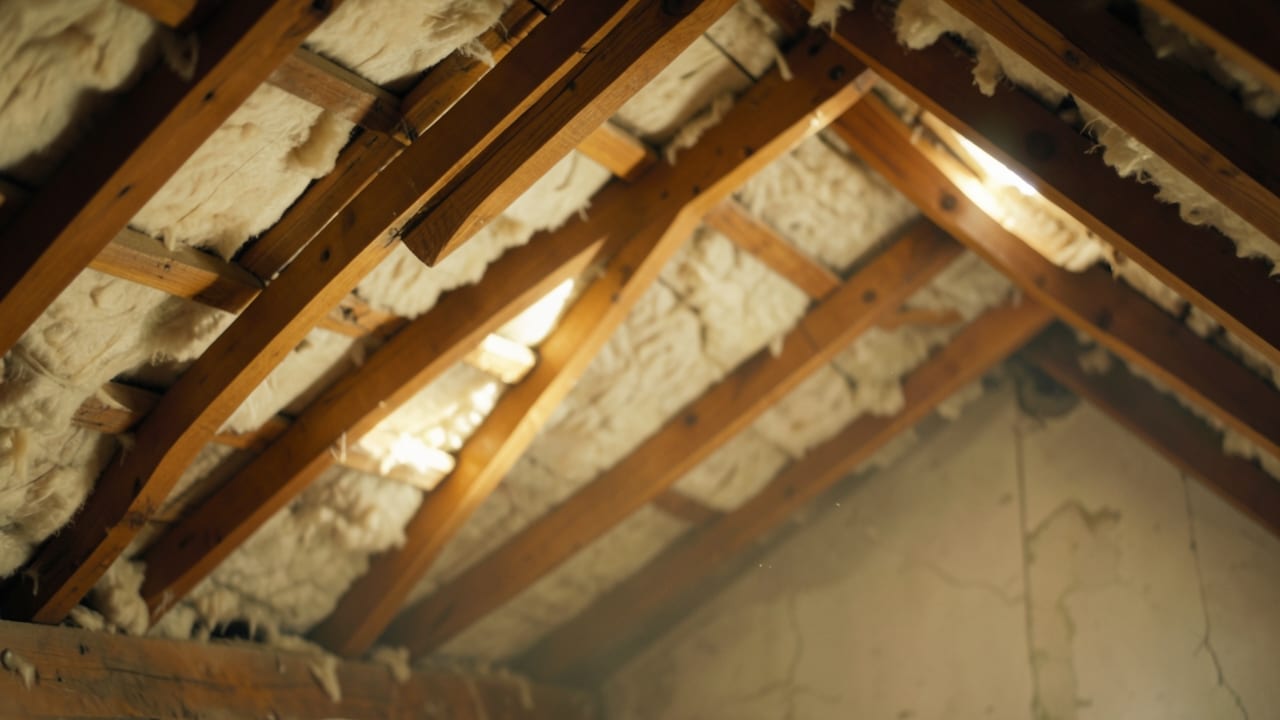
Attic Mold Remediation
Attic mold remediation in Lake Forest, CA addresses roof-deck growth typically caused by poor ventilation or a hidden roof leak.
Attic mold in Lake Forest, CA, often appears on the underside of the roof deck due to trapped moisture from poor ventilation or undetected roof leaks. Professional remediation addresses the growth, corrects the underlying issue, and prevents recurrence with proven methods tailored to your home’s needs.
Common Causes of Attic Mold in Lake Forest Homes
In Lake Forest, attic mold frequently stems from warm, humid indoor air escaping into a poorly ventilated attic. This moisture condenses on the cooler roof deck, creating ideal conditions for mold growth even without a visible leak.
We also handle Mold Inspection and Mold Testing & Air Quality Testing for Lake Forest properties.
Another primary cause is a roof leak that goes unnoticed from inside the home. Staples like staining on the roof deck, compressed or discolored insulation, and elevated moisture readings on framing often reveal leaks before they manifest as ceiling stains.
| Sign of Attic Mold | What It Indicates |
|---|---|
| Dark staining on roof deck underside | Moisture from condensation or a slow leak |
| Compressed or discolored insulation in one area | Localized water intrusion from a roof leak |
| Musty odor in the attic | Hidden mold growth, often in poorly ventilated spaces |
| High moisture-meter readings on framing | Ongoing or recent water exposure |
Why Ventilation Matters for Lasting Results
Attic mold remediation in Lake Forest is incomplete without addressing ventilation. Inadequate intake or exhaust vents trap warm, moist air, leading to recurrent growth even after cleaning.
A professional inspection includes a ventilation assessment to ensure proper airflow. Correcting these issues during remediation prevents future mold, saving you time and money.
Ventilation Checkpoints During Remediation
- Inspect soffit vents for blockages (e.g., insulation, debris)
- Verify ridge vent or exhaust fan functionality
- Measure attic airflow with a smoke pencil or thermal imaging
- Recommend upgrades if intake/exhaust is insufficient
What to Expect During Remediation
Our Lake Forest team follows a meticulous process to remove attic mold and restore a healthy space. Affected areas are contained to prevent spores from spreading, and all work adheres to industry safety standards.
How Attic Mold Remediation Works
We use a step-by-step approach to safely and effectively remove mold from your Lake Forest attic.
- 1Inspection and Moisture Mapping
A thorough attic inspection identifies mold growth, moisture sources (e.g., leaks, ventilation gaps), and affected materials using visual checks, moisture meters, and thermal imaging.
- 2Containment and Air Filtration
Negative air pressure containment is set up to isolate the work area, and HEPA air scrubbers remove airborne spores during the remediation process.
- 3HEPA Vacuuming and Antimicrobial Treatment
Moldy roof decking and framing are HEPA-vacuumed to remove spores, then treated with an EPA-approved antimicrobial to kill remaining growth and prevent regrowth.
- 4Insulation Removal and Replacement
Porous attic insulation with significant mold growth is removed and replaced, as it cannot be effectively cleaned. New insulation is installed to restore energy efficiency.
- 5Ventilation and Leak Corrections
If poor ventilation or a roof leak contributed to the mold, these issues are addressed—e.g., adding vents, sealing leaks, or repairing damaged roofing—to prevent recurrence.
Frequently Asked Questions
How do I know if my Lake Forest attic has mold if I can’t see it?
Look for musty odors, increased allergy symptoms, or signs like discolored insulation or staining on the roof deck. A professional inspection with moisture meters and thermal imaging can confirm hidden mold.
Will attic mold remediation in Lake Forest fix my high energy bills?
If mold-damaged insulation was removed, replacing it will improve your attic’s thermal performance. However, energy savings depend on the extent of insulation loss and whether ventilation issues were also corrected.
How long does attic mold remediation take in Lake Forest?
Most jobs are completed in 1–3 days, depending on attic size, mold extent, and whether roof repairs or ventilation upgrades are needed. A firm timeline is provided after the inspection.
Is attic mold dangerous to my family’s health?
Attic mold can release spores and mycotoxins that may trigger allergies, respiratory issues, or other health problems, especially in sensitive individuals. Prompt remediation reduces these risks.
See Irvine, CA for more, or discover everything Lake Forest homeowners can book with us in full for our complete lineup.
Ready to get started?
Talk to a local mold remediation pro in Lake Forest — get a written quote.
Other Mold Remediation Services in Lake Forest
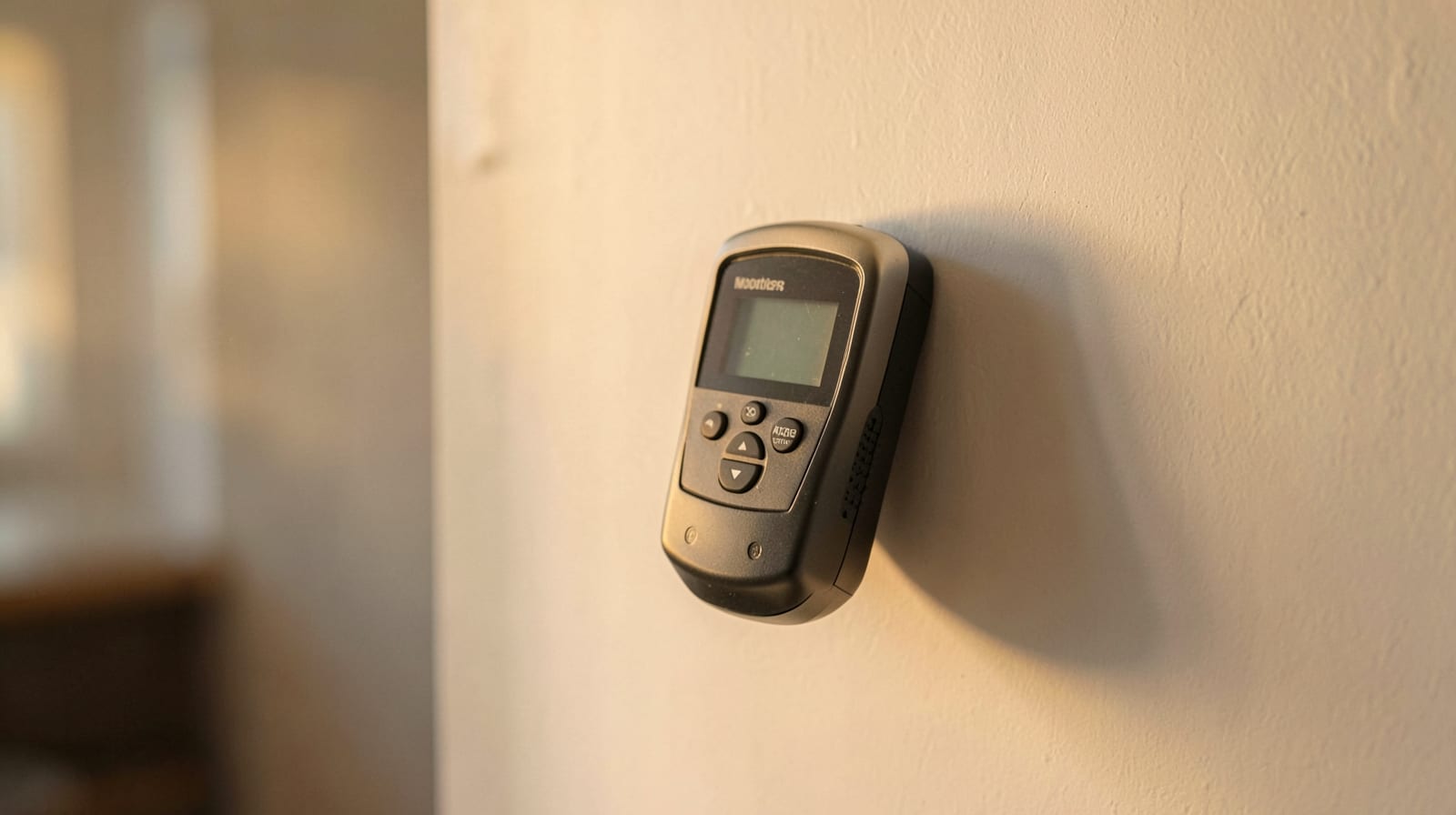
Mold Inspection in Lake Forest, CA
Mold inspection in Lake Forest, CA — a visual and moisture-meter assessment that finds the source of growth, not just the visible spot on the wall.
Learn More
Mold Testing & Air Quality Testing in Lake Forest, CA
Mold and indoor air quality testing in Lake Forest, CA — lab-analyzed air and surface samples confirm what's actually growing and whether it's airborne.
Learn More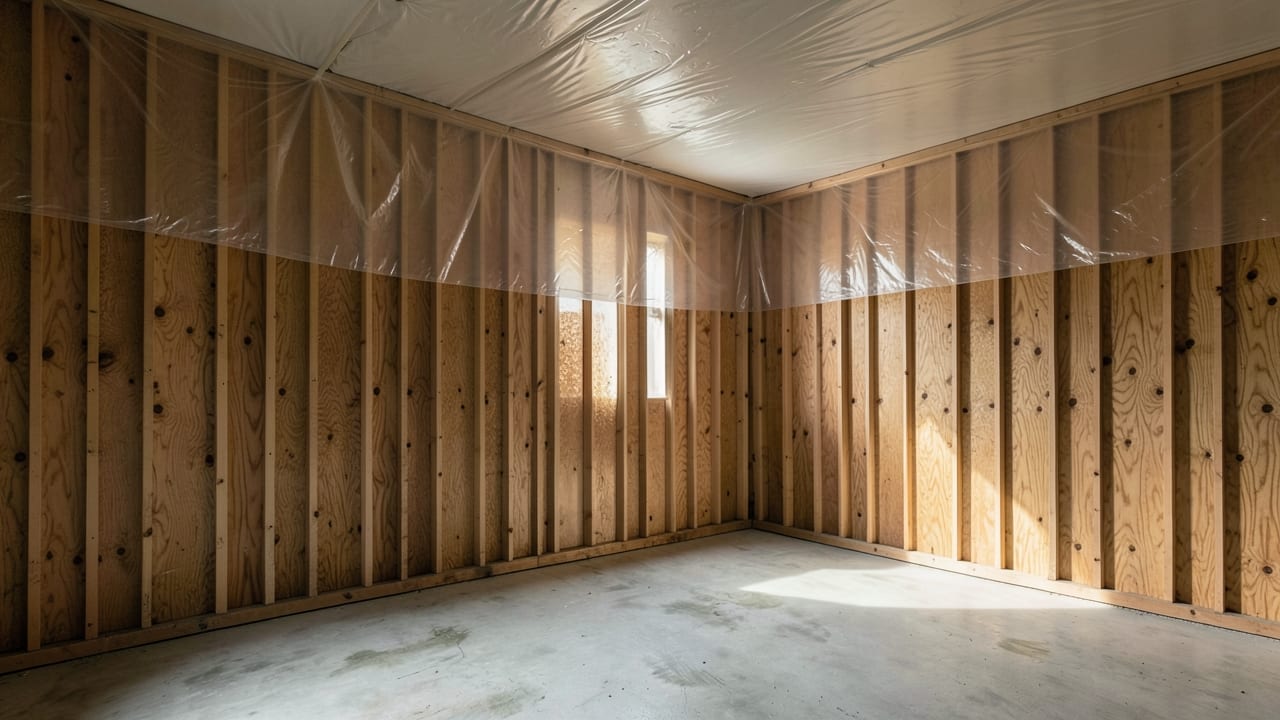
Mold Removal & Remediation in Lake Forest, CA
Mold removal and remediation in Lake Forest, CA — containment, HEPA filtration, and removal of affected material following industry (IICRC S520) protocol.
Learn More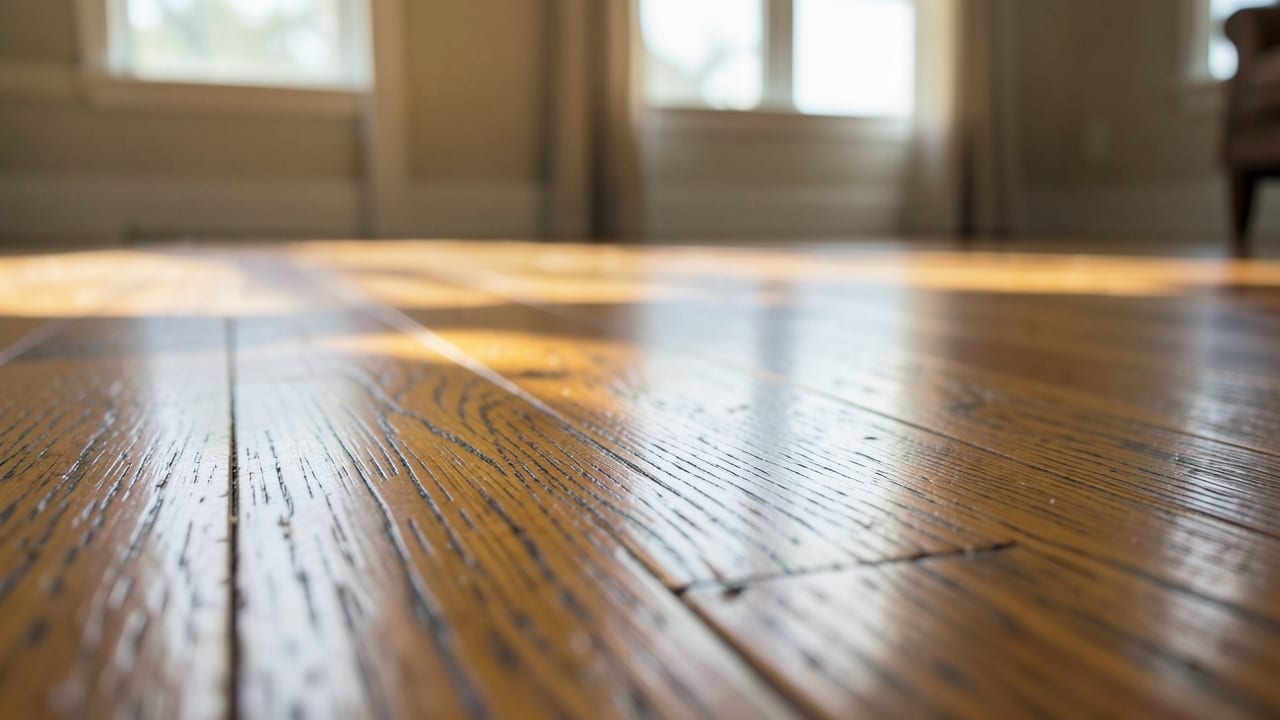
Water Damage Restoration in Lake Forest, CA
Water damage restoration in Lake Forest, CA — extraction and structural drying to stop mold growth before it starts, following a leak, storm, or flood.
Learn More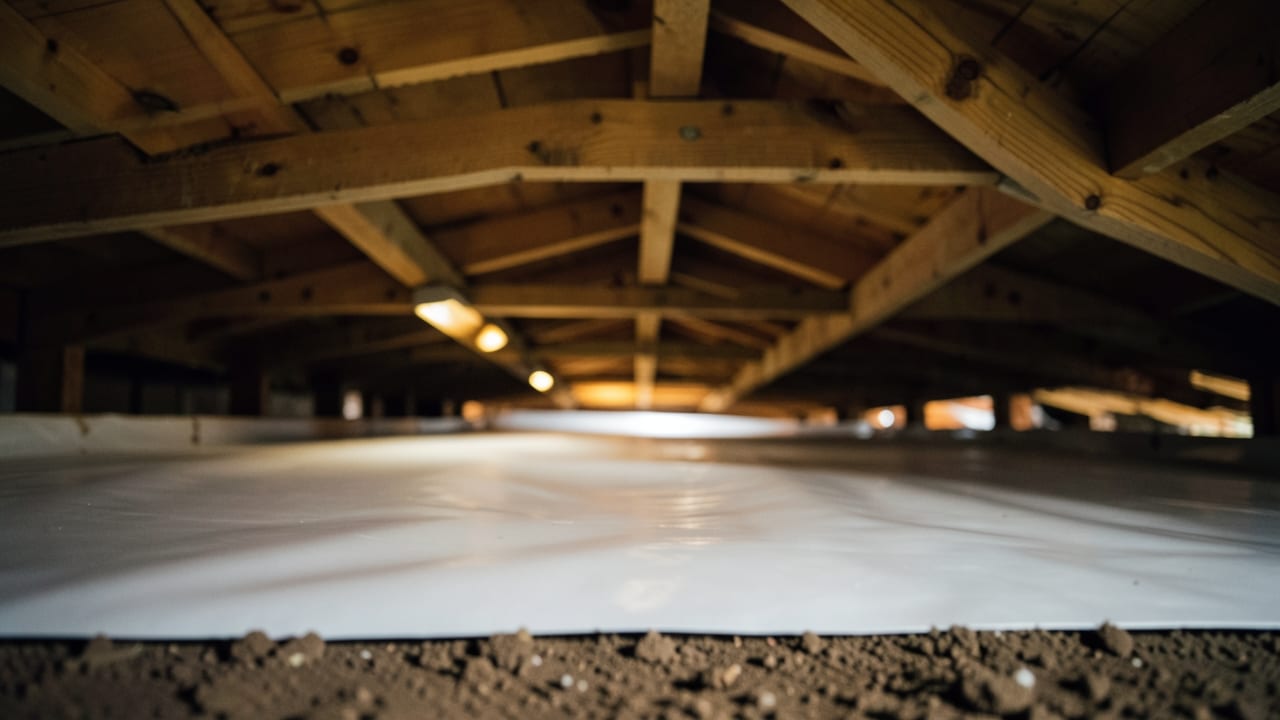
Crawl Space & Basement Mold Remediation in Lake Forest, CA
Crawl space and basement mold remediation in Lake Forest, CA addresses the two areas of a property most prone to trapped, unnoticed moisture.
Learn More
Commercial Mold Remediation in Lake Forest, CA
Commercial mold inspection and remediation in Lake Forest, CA for offices, retail space, and multi-unit properties, scheduled around business operations.
Learn MoreCommon Questions About Mold Remediation in Lake Forest
Everything you need to know about mold remediation services in Lake Forest
How much does Attic Mold Remediation typically cost in Lake Forest, CA?
Does coastal humidity around Lake Forest, CA change how mold risk is assessed?
Is a final clearance test part of a typical mold remediation job?
How does mold remediation actually prevent the problem from coming back?
Can mold growing inside HVAC ductwork spread to the rest of a home?
Does mold mean the same thing as mildew?
Need Mold Remediation in Lake Forest?
Connect with local providers in Lake Forest for a detailed quote.
⏰ We answer your call • Serving all of Lake Forest and surrounding areas