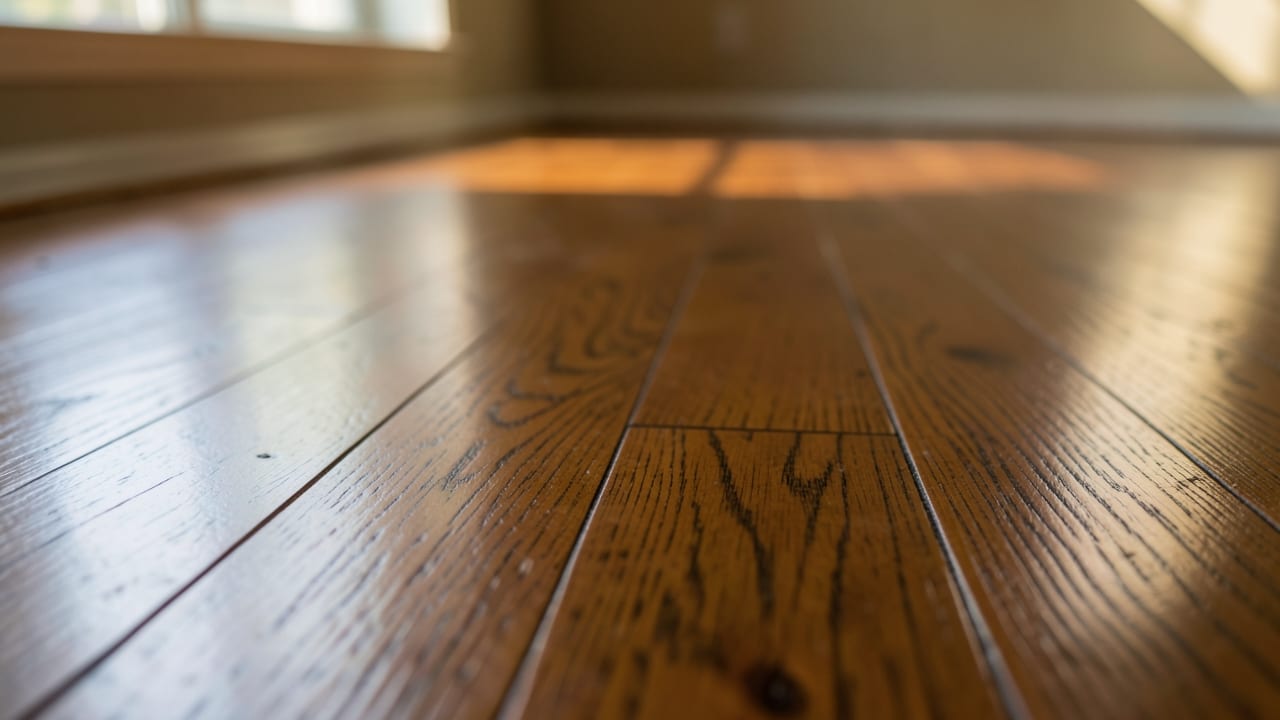
Flood Damage Mold Remediation
Professional mold removal and remediation after flood damage in homes.
Flood damage in Lake Forest can quickly lead to hidden mold growth in walls, basements, and under flooring. Proper remediation involves containment, removal of contaminated materials, and addressing moisture sources to prevent regrowth. This process helps protect your home from further damage and health risks associated with mold exposure.
When to call for mold remediation
Mold growth after flood damage often starts small but can spread quickly if moisture remains. Look for visible patches larger than a few square feet, recurring mold in the same spot after cleaning, or a musty smell with no visible source.
We also handle Metal Ductwork Mold Remediation and Brick Masonry Mold Treatment for Lake Forest properties.
These signs indicate the problem is likely beyond simple cleaning and requires professional remediation.
Hidden mold—behind walls, under flooring, or inside HVAC ducts—can worsen without proper inspection. If your home has experienced flooding, even if the water is gone, mold may still be growing in unseen areas. Addressing moisture sources, such as leaks or poor ventilation, is critical to preventing regrowth after remediation.
Signs You Need Mold Remediation
- Mold covers more than a small, isolated patch (typically over 25 contiguous square feet).
- Mold keeps returning in the same spot after cleaning, suggesting a hidden moisture source.
- A musty smell persists with no visible mold, often indicating hidden growth in walls or ducts.
- You notice health symptoms like coughing, sneezing, or skin irritation after exposure to damp areas.
What affects the cost of remediation?
The cost of flood damage mold remediation depends on the size of the affected area, the type of mold, and the materials involved. Porous materials like drywall and insulation are often removed, while non-porous surfaces like tile or metal may be treated.
The need for containment, air filtration, and clearance testing also impacts pricing.
Black mold (Stachybotrys chartarum) typically requires additional precautions, which can increase costs by 15–25% compared to other mold types. The scope of work—such as whether moisture sources are addressed—also plays a role in the final price.
Questions to ask before hiring a remediation service
Not all remediation services follow the same steps or provide the same level of detail. Asking the right questions ensures you understand what’s included in the work and what’s expected afterward. This helps avoid surprises and ensures the job is done thoroughly.
Licensing, containment methods, and post-remediation testing are critical factors. A reputable service will provide clear answers about these aspects upfront.
| Question | Why It Matters |
|---|---|
| Does the estimate include inspection, containment, remediation, and clearance testing? | Ensures no hidden costs or skipped steps. |
| Will a third-party lab test confirm mold clearance after the work? | Provides independent verification the job was effective. |
| Is the moisture source (leak, condensation, grading) being fixed as part of the job? | Prevents mold from returning after remediation. |
| Is the contractor licensed under California’s CSLB for jobs over $500? | Ensures compliance with state requirements. |
How flood damage mold remediation works
This process safely removes mold and prevents its return by containing spores, removing contaminated materials, and addressing moisture sources.
- 1Containment Setup
Plastic sheeting and negative-air machines seal off the work area to prevent spores from spreading to unaffected parts of the home.
- 2Removal of Contaminated Materials
Porous materials like drywall and insulation are cut out and bagged, while non-porous surfaces are scrubbed and treated to eliminate mold.
- 3Structural Drying
Industrial dehumidifiers and air movers reduce moisture levels in framing and subflooring to prevent regrowth after removal.
- 4HEPA Filtration and Cleanup
HEPA-filtered air scrubbers and vacuums capture spores during removal, and surfaces are thoroughly cleaned to ensure no spores remain.
- 5Clearance Testing
An independent lab tests air or surfaces to confirm mold levels are back to normal before containment is removed.
Frequently asked questions
Can I clean up mold after a flood myself?
Small, isolated patches (under 25 square feet) can sometimes be cleaned with the right supplies, but flood damage often hides mold in walls or ducts. If moisture remains, mold will likely return, making professional remediation the safer choice.
How long does the remediation process take?
The timeline depends on the size of the affected area and the extent of moisture damage. Containment, removal, drying, and testing can take anywhere from a few days to over a week for larger jobs.
Will my home insurance cover mold remediation after a flood?
Coverage varies by policy. Some insurers may cover remediation if the mold is directly tied to a covered flood claim, but others exclude it. Review your policy or consult your agent to confirm.
How do I prevent mold from coming back after remediation?
Fixing the moisture source—such as leaks, poor ventilation, or grading issues—and monitoring humidity levels in affected areas helps prevent regrowth. Using dehumidifiers or fans in persistently damp rooms can also reduce risk.
Where Lake Forest sits, and what the Census lists nearby
Lake Forest sits in California, and the closest places listed in the U.S. Census Gazetteer are Mission Viejo (3.3 miles south), Laguna Woods (4.3 miles southwest), Laguna Hills (4.6 miles south), Modjeska (4.6 miles northeast).
Within 25 miles of Lake Forest the same source lists 62 distinct incorporated places and census-designated places.
Those figures matter for flood damage mold remediation because they are straight-line distances between Census coordinate points: road mileage between Lake Forest and Mission Viejo runs longer than the 3.3 miles shown, which is why quotes for the same job differ between towns that look close together on a map.
Source: U.S. Census Bureau Gazetteer.
See Santa Ana, CA for more, or browse the full mold remediation lineup we run in Lake Forest step by step for our complete lineup.
Ready to get started?
Talk to a local mold remediation pro in Lake Forest — get a written quote.
Other Mold Remediation Services in Lake Forest
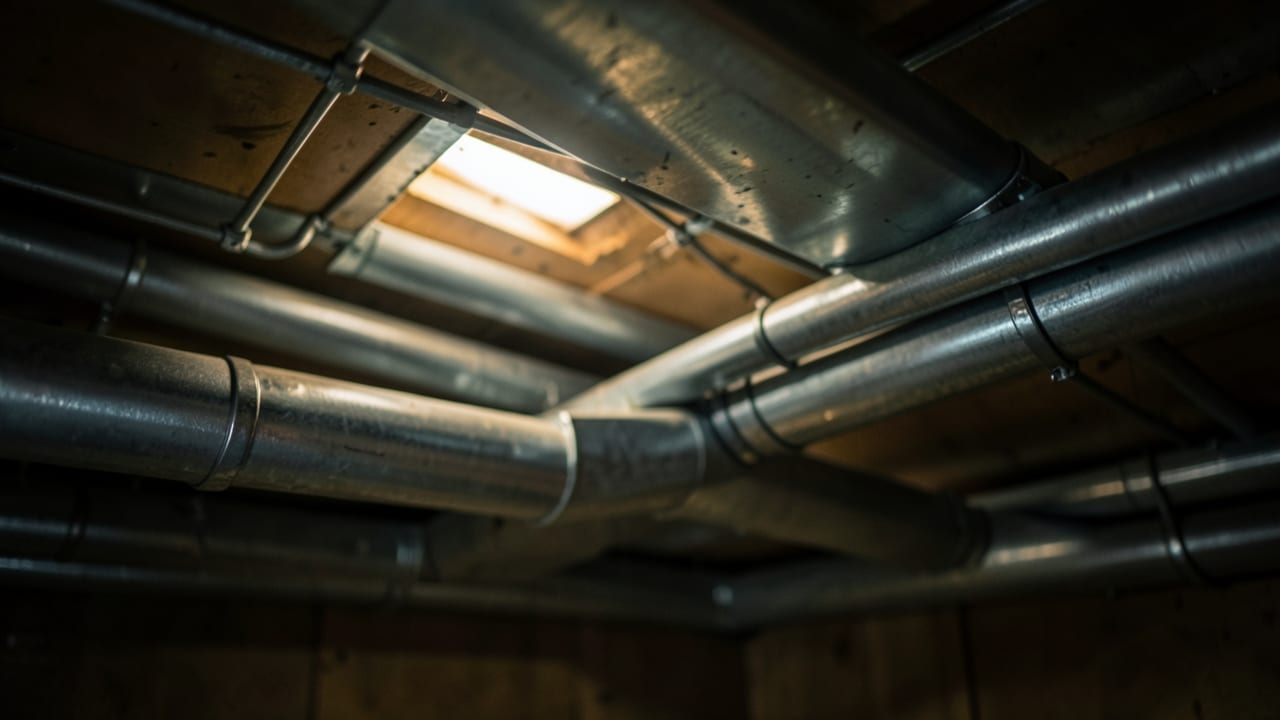
Metal Ductwork Mold Remediation in Lake Forest, CA
Professional removal of mold from metal ductwork to restore indoor air quality.
Learn More
Brick Masonry Mold Treatment in Lake Forest, CA
Professional mold treatment and removal from brick masonry to restore structural integrity and indoor air quality.
Learn More
Balcony Mold Cleanup in Lake Forest, CA
Professional removal and treatment of mold growth on balconies and adjacent structures.
Learn More
Sunroom Mold Remediation in Lake Forest, CA
Professional removal and treatment of mold in sunrooms to restore a safe, clean space.
Learn More
Pantry Mold Treatment in Lake Forest, CA
Professional assessment and removal of mold in pantry areas to restore a safe, clean space.
Learn More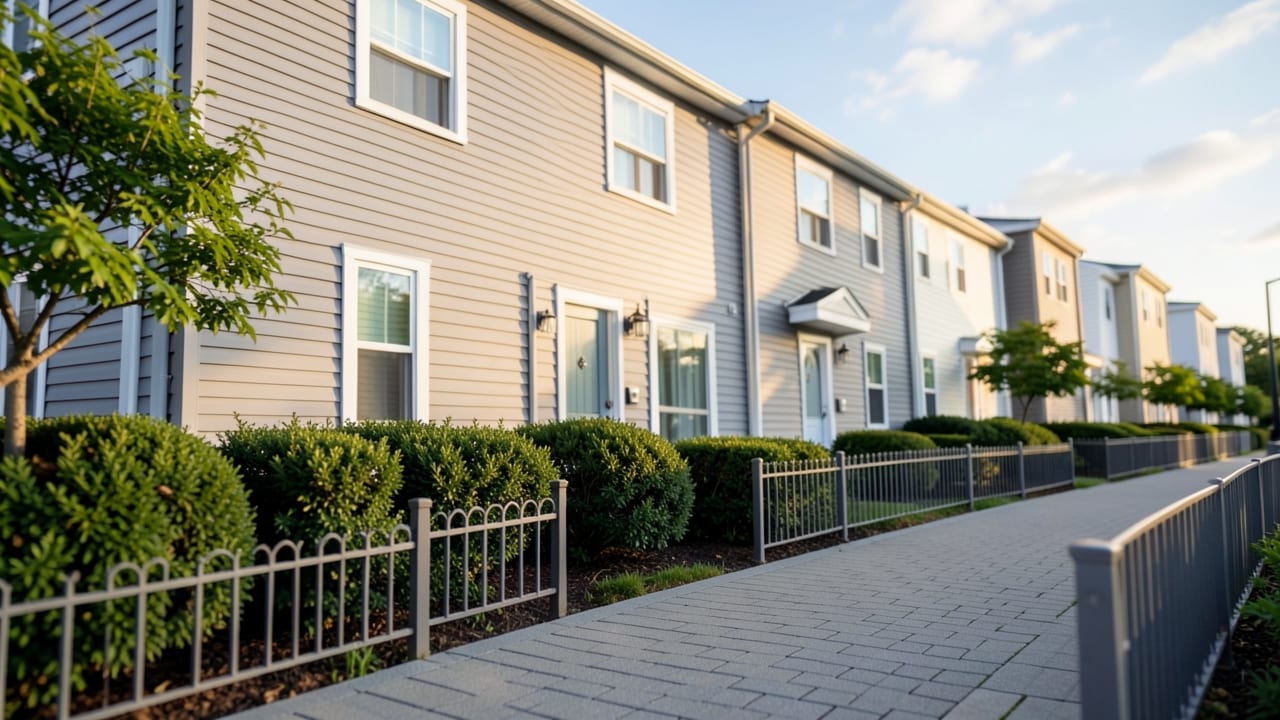
HOA Mold Remediation in Lake Forest, CA
Professional mold removal and remediation for HOA properties to restore safe, healthy living conditions.
Learn MoreCommon Questions About Mold Remediation in Lake Forest
Everything you need to know about mold remediation services in Lake Forest
How much does Flood Damage Mold Remediation typically cost in Lake Forest, CA?
Does coastal humidity around Lake Forest, CA change how mold risk is assessed?
Is black mold actually more dangerous than other mold types?
How long does a typical mold remediation job take?
Is it safe to stay in the home during mold remediation?
Can small mold problems be handled without hiring anyone?
Need Mold Remediation in Lake Forest?
Connect with local providers in Lake Forest for a detailed quote.
⏰ We answer your call • Serving all of Lake Forest and surrounding areas