
Apartment Mold Remediation
Professional mold removal and remediation for apartments to restore safe living conditions.
Mold growth in Lake Forest apartments requires professional remediation to prevent health risks and structural damage. Proper containment, removal, and moisture control are critical to ensure the problem doesn’t return. Local experts follow strict protocols to safely eliminate mold and restore a healthy living environment.
When to call for mold remediation
Mold covering more than a small patch—typically over 25 square feet—often signals a problem too large for DIY solutions. Recurring growth in the same spot, even after cleaning, usually means the moisture source hasn’t been addressed.
We also handle Pet Urine Mold Treatment and Pest Infestation Mold Remediation for Lake Forest properties.
A musty smell with no visible mold often indicates hidden growth behind walls, under flooring, or inside ductwork, requiring professional inspection.
Poor airflow in enclosed spaces like windowless bathrooms or basements can also trap moisture, creating ideal conditions for mold. If you notice a persistent dampness or condensation issue, it’s best to act before mold takes hold. Ignoring early signs can lead to deeper contamination and higher remediation costs.
Signs You Need Professional Mold Remediation
- Mold covering more than 25 square feet in a single area
- Growth returning within weeks after cleaning
- A musty smell with no visible mold in the room
- Visible mold in multiple rooms or hidden behind walls
- Persistent dampness or condensation in enclosed spaces
What affects remediation costs and timeline
The size of the affected area is the biggest factor in pricing, with larger or multi-room contamination requiring more labor and materials. Hidden mold behind walls or under flooring adds complexity, as removal may involve cutting into structural materials.
Containment and clearance testing—essential for ensuring spores don’t spread—are often priced separately and can extend the project timeline.
The moisture source must also be addressed to prevent regrowth. Fixing leaks, improving ventilation, or adjusting humidity levels may be necessary, depending on the cause. In Lake Forest’s dry climate, outdoor grading or downspout issues can still contribute to indoor moisture problems, requiring coordination with exterior work.
What to expect during the process
Professional remediation starts with containment to prevent spores from spreading to unaffected areas. Plastic sheeting and negative-air machines seal off the work zone, while HEPA-filtered air scrubbers run continuously to capture airborne spores. Porous materials like drywall or insulation that can’t be fully cleaned are removed and disposed of properly.
After removal, industrial dehumidifiers and air movers dry out structural materials to prevent future growth. Clearance testing by an independent lab confirms spore levels are back to normal before the area is considered safe.
Fixing the moisture source—whether a leak, poor ventilation, or grading issue—is critical to keeping mold from returning.
| Step | Purpose | Equipment Used |
|---|---|---|
| Containment | Prevents spore spread | Plastic sheeting, negative-air machines |
| Removal | Eliminates moldy materials | HEPA vacuums, protective gear |
| Structural Drying | Prevents regrowth | Dehumidifiers, air movers |
| Clearance Testing | Verifies safety | Independent lab sampling |
How apartment mold remediation works
Professional remediation follows a structured process to safely eliminate mold and prevent recurrence.
- 1Containment Setup
Plastic sheeting and negative-air machines isolate the affected area to stop spores from spreading to other parts of the apartment.
- 2Mold Removal
Porous materials like drywall or insulation that can’t be cleaned are cut out and bagged, while non-porous surfaces are scrubbed and treated.
- 3Structural Drying
Industrial dehumidifiers and air movers reduce moisture levels in framing and subfloors to prevent mold from returning.
- 4HEPA Filtration
HEPA-filtered air scrubbers and vacuums run continuously to capture airborne spores during removal and cleanup.
- 5Clearance Testing
An independent lab tests air or surfaces to confirm spore levels are back to normal before the area is released.
Frequently asked questions
Can I clean small mold patches myself, or should I call a professional?
Small patches—under 25 square feet—can often be cleaned with the right supplies (HEPA vacuum, detergent, gloves). However, if the mold keeps returning, spreads quickly, or you find hidden growth, professional remediation is safer and more effective.
How long does the remediation process usually take?
Containment, removal, and drying typically take 1–3 days, depending on the size and complexity. Clearance testing may add another 1–2 days, as results must be reviewed before the area is considered safe.
Will my apartment need to be vacated during remediation?
Most remediation work can be done while you’re out, but if containment is extensive or the area is heavily contaminated, you may need to relocate temporarily for safety. A professional can advise based on your specific situation.
How do I know if the mold is completely gone after remediation?
Independent clearance testing by a third-party lab is the only way to confirm spore levels are back to normal. Without this step, there’s no guaranteed way to verify the work was fully effective.
Where Lake Forest sits, and what the Census lists nearby
Lake Forest sits in California, and the closest places listed in the U.S. Census Gazetteer are Mission Viejo (3.3 miles south), Laguna Woods (4.3 miles southwest), Laguna Hills (4.6 miles south), Modjeska (4.6 miles northeast).
Within 25 miles of Lake Forest the same source lists 62 distinct incorporated places and census-designated places.
Those figures matter for apartment mold remediation because they are straight-line distances between Census coordinate points: road mileage between Lake Forest and Mission Viejo runs longer than the 3.3 miles shown, which is why quotes for the same job differ between towns that look close together on a map.
Source: U.S. Census Bureau Gazetteer.
See Dana Point, CA for more, or Lake Forest's local mold remediation experts for our complete lineup.
Ready to get started?
Talk to a local mold remediation pro in Lake Forest — get a written quote.
Other Mold Remediation Services in Lake Forest
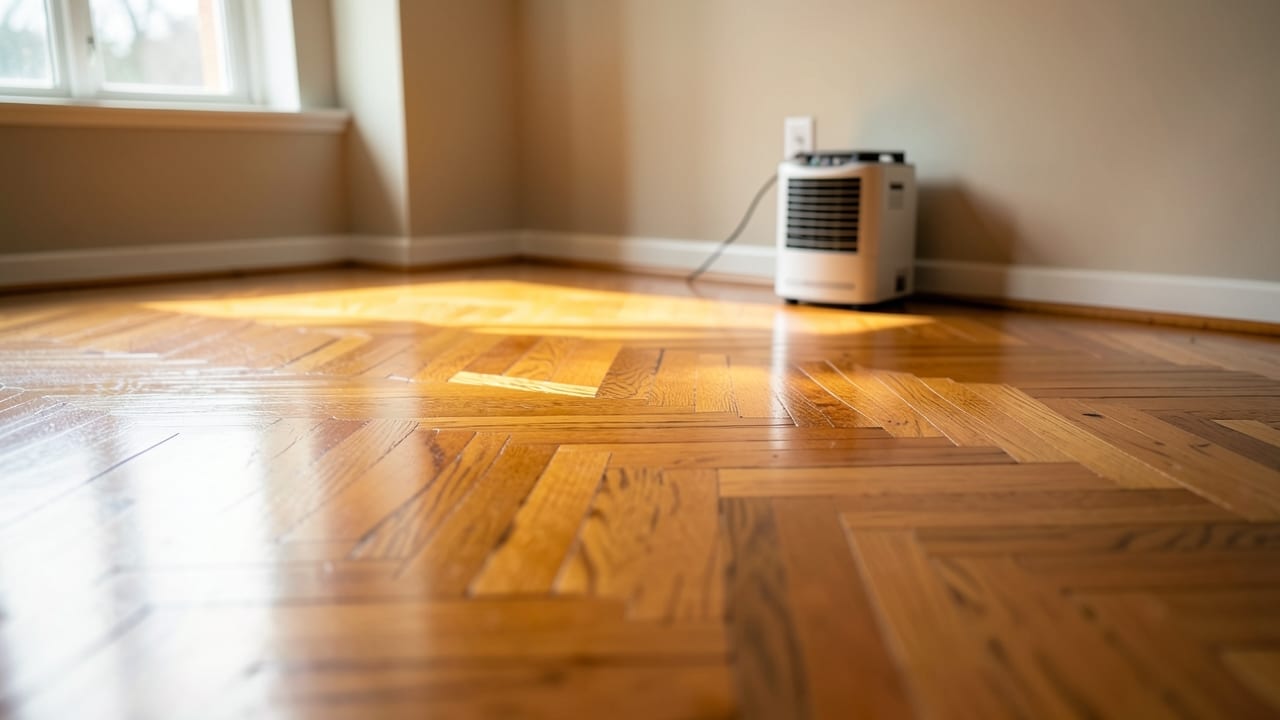
Pet Urine Mold Treatment in Lake Forest, CA
Professional removal of mold caused by pet urine in homes, including assessment and treatment.
Learn More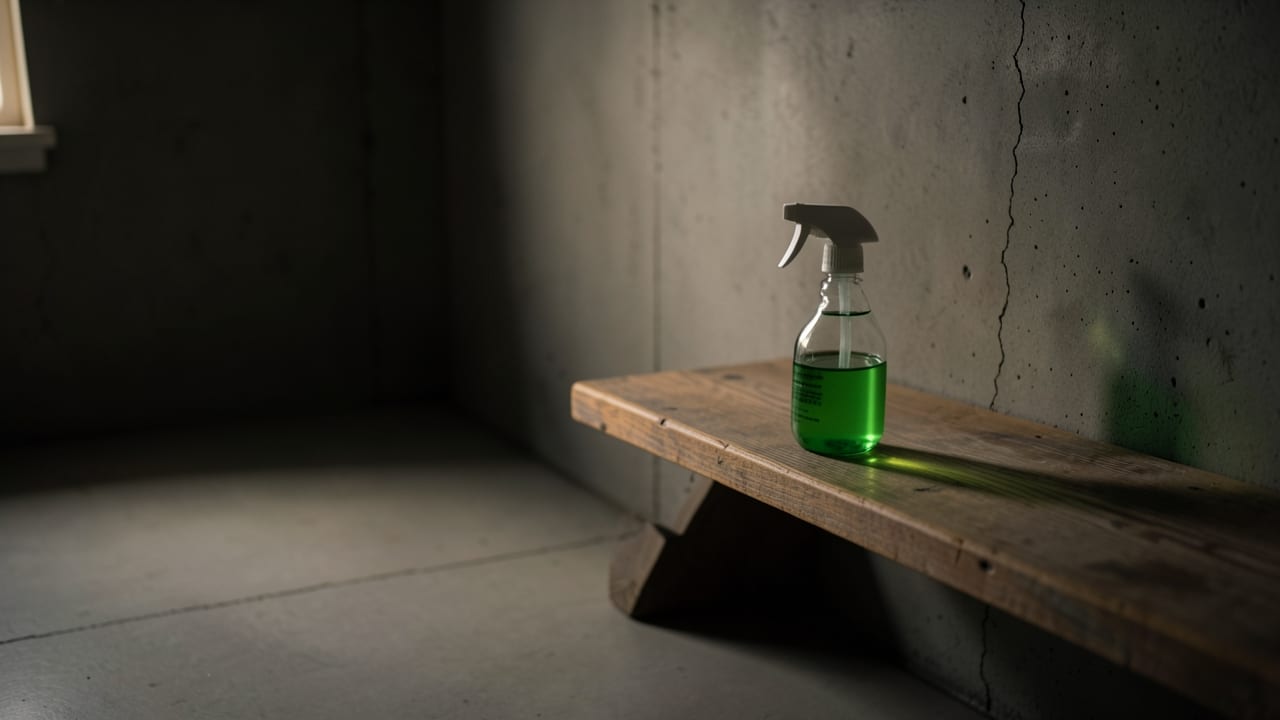
Pest Infestation Mold Remediation in Lake Forest, CA
Professional mold removal and remediation for pest-related infestations in homes.
Learn More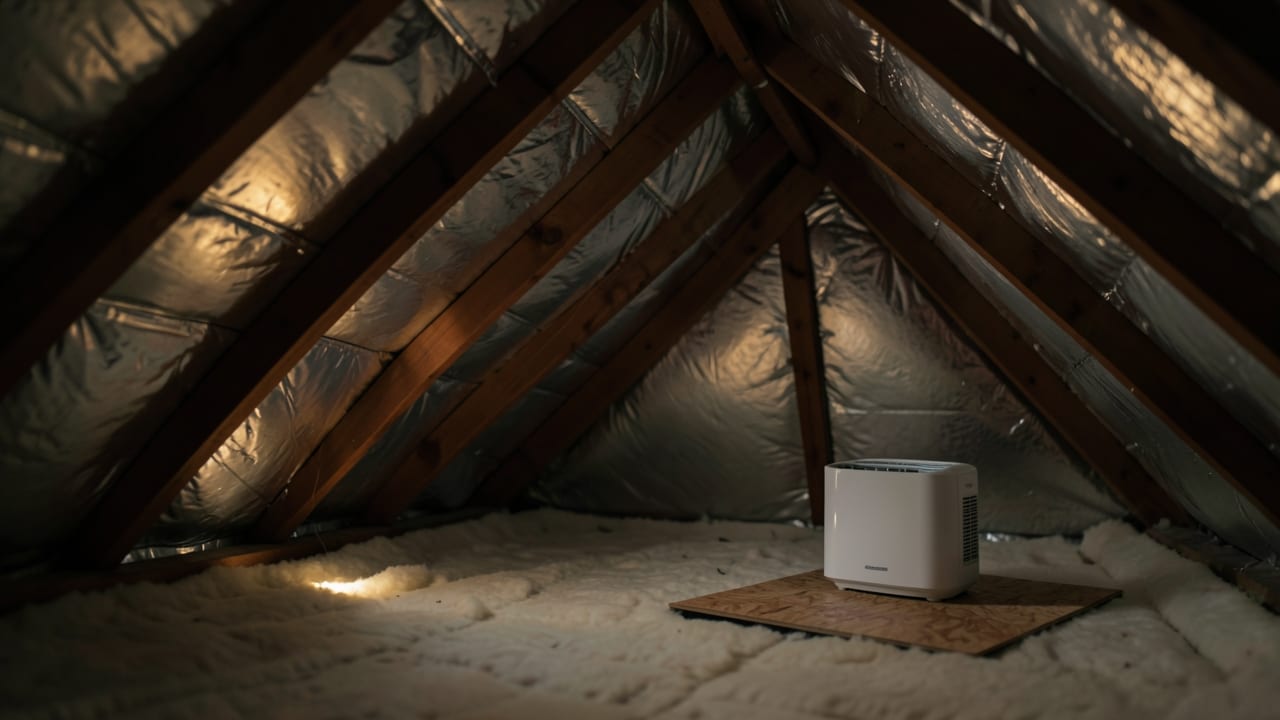
Pre-Winter Mold Prevention in Lake Forest, CA
Pre-winter mold prevention involves inspection and treatment to stop mold growth before cold weather.
Learn More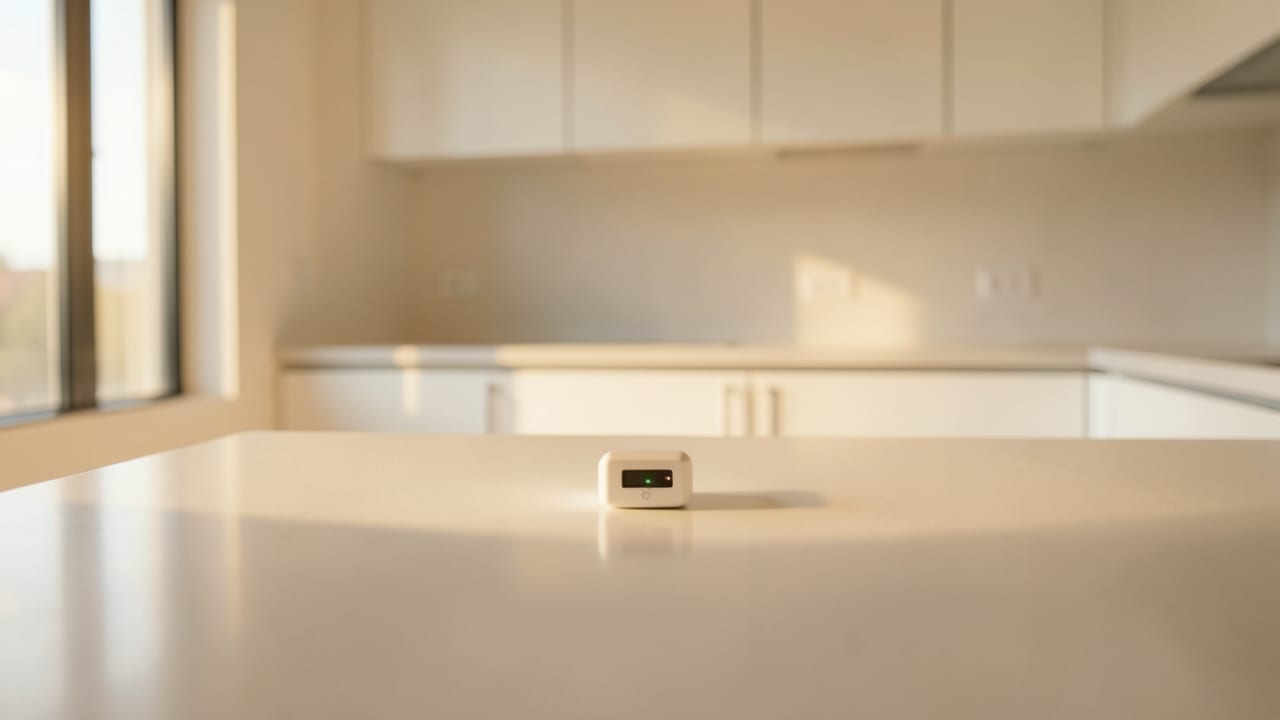
Move-In Mold Assessment in Lake Forest, CA
Professional inspection and assessment of mold presence before moving into a property.
Learn More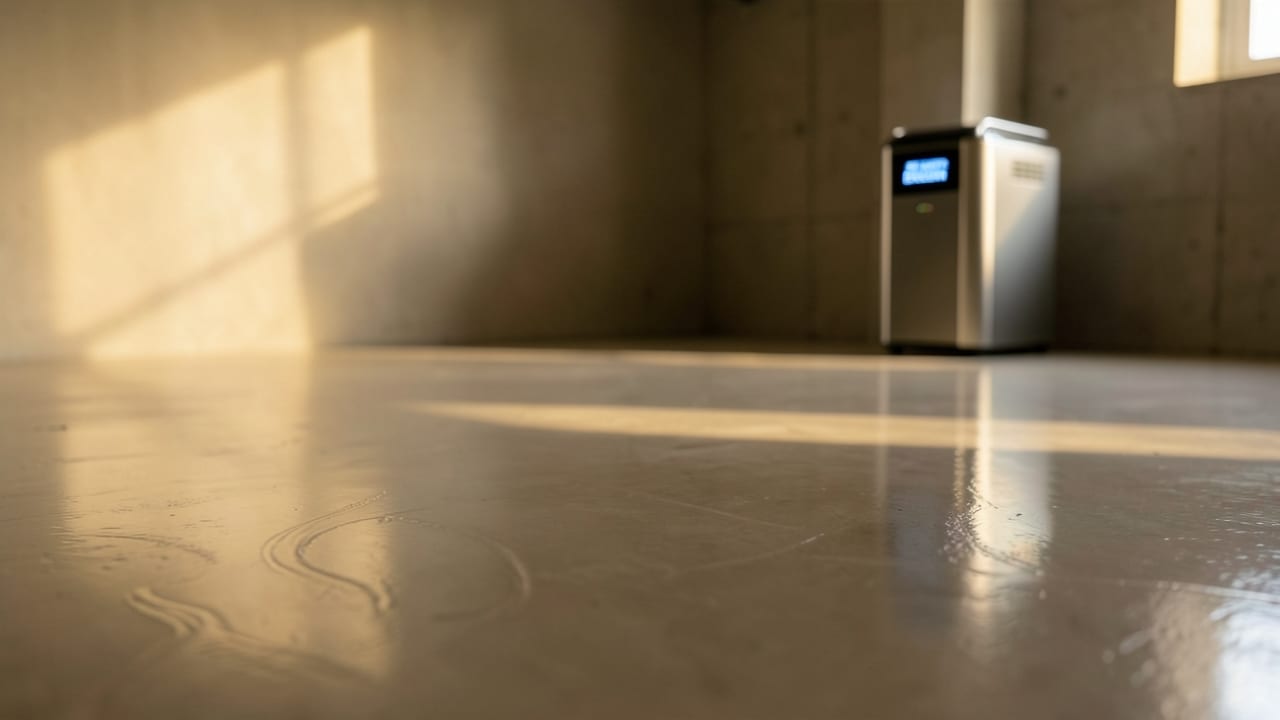
Post-Remediation Sealing in Lake Forest, CA
Applying protective sealants to surfaces after mold remediation to prevent future growth.
Learn More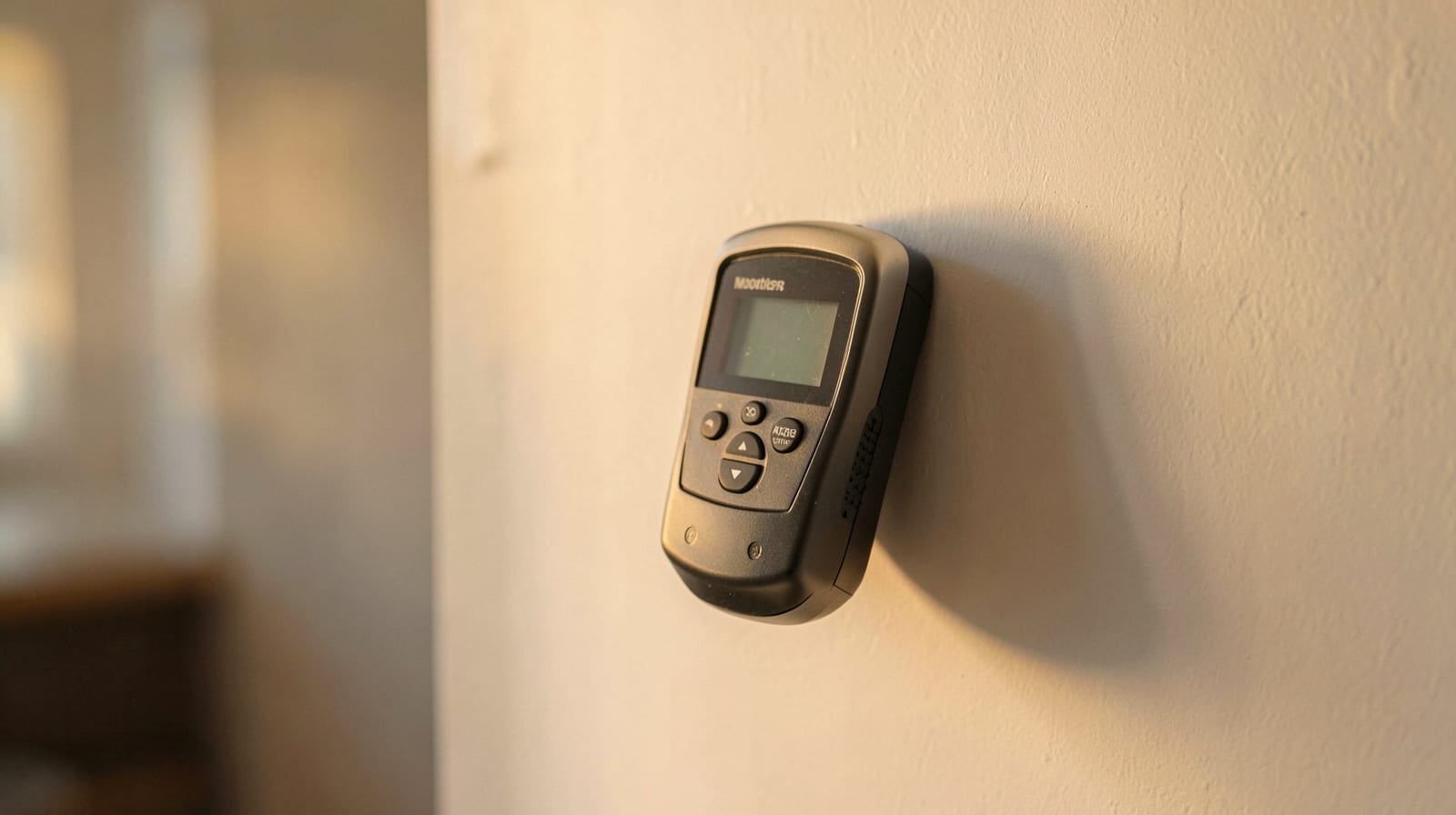
Mold Inspection in Lake Forest, CA
Mold inspection in Lake Forest, CA — a visual and moisture-meter assessment that finds the source of growth, not just the visible spot on the wall.
Learn MoreCommon Questions About Mold Remediation in Lake Forest
Everything you need to know about mold remediation services in Lake Forest
How much does Apartment Mold Remediation typically cost in Lake Forest, CA?
Does coastal humidity around Lake Forest, CA change how mold risk is assessed?
Is black mold actually more dangerous than other mold types?
How long does a typical mold remediation job take?
Is it safe to stay in the home during mold remediation?
Can small mold problems be handled without hiring anyone?
Need Mold Remediation in Lake Forest?
Connect with local providers in Lake Forest for a detailed quote.
⏰ We answer your call • Serving all of Lake Forest and surrounding areas