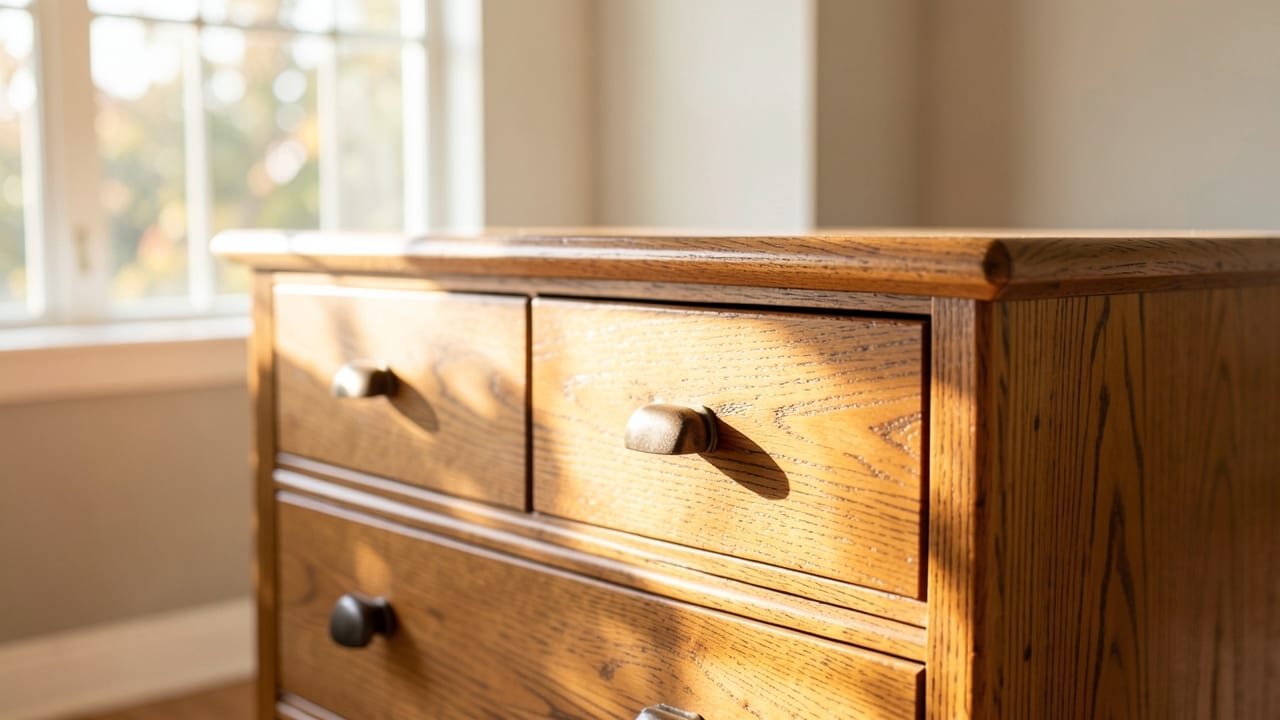
Wood Furniture Mold Remediation
Professional removal and treatment of mold from wood furniture to restore safety and appearance.
Wood furniture mold remediation in Lake Forest, CA, targets mold growth embedded in porous surfaces, restoring affected pieces while preventing recurrence. This process involves cleaning, treating, and sealing wood to remove spores without damaging the material, ensuring your furniture remains safe and structurally sound.
When to call for wood furniture mold remediation
Mold on wood furniture often starts small but can spread quickly if moisture isn’t addressed. If you notice visible mold patches larger than a few square inches, a musty smell with no visible source, or recurring growth after cleaning, it’s time for professional remediation.
We also handle Balcony Mold Cleanup and Sunroom Mold Remediation for Lake Forest properties.
These signs indicate the problem may be deeper than surface-level cleaning can handle.
Wood furniture is particularly vulnerable because mold spores can penetrate deep into the material. Unlike non-porous surfaces, wood absorbs moisture, making it harder to fully remove mold without proper treatment. Ignoring these signs can lead to structural damage and health concerns over time.
Signs You Need Wood Furniture Mold Remediation
- Mold covering more than a small, isolated patch (e.g., larger than 25 contiguous square feet).
- Recurring mold growth in the same spot after cleaning, suggesting an unresolved moisture issue.
- A musty smell with no visible mold, often indicating hidden growth in walls, under flooring, or behind furniture.
- Visible black, green, or white spots on wood surfaces that don’t disappear with standard cleaning.
What affects the cost and process?
The cost of wood furniture mold remediation in Lake Forest varies based on the scope of the job, the extent of mold damage, and whether additional treatments—like refinishing or reupholstering—are needed. Unlike flat-rate pricing, this work is typically quoted after a site visit, as each project has unique challenges.
Containment, HEPA filtration, and clearance testing are standard steps that ensure the job is done thoroughly. Skipping these can lead to incomplete removal and potential regrowth. Always confirm whether a quote includes these critical components before committing to a provider.
| Factor | Impact on Cost/Process |
|---|---|
| Size of affected area | Larger areas require more containment, labor, and materials. |
| Type of wood and finish | Hardwoods or intricate carvings may need specialized cleaning or refinishing. |
| Moisture source identification | Fixing leaks or humidity issues adds to the scope but prevents future mold. |
| Additional treatments (e.g., refinishing) | Subcontracting for specialty work can increase costs. |
Why containment and testing matter
Containment prevents mold spores from spreading to unaffected areas during remediation. Plastic sheeting and negative-air machines seal the work area, ensuring spores stay contained. Without this, spores can circulate through your home via HVAC systems or open doorways, turning a small job into a larger problem.
Clearance testing after remediation confirms that spore levels are back to normal. This step is critical because it provides independent verification that the mold has been fully addressed. Skipping it leaves uncertainty about whether the job was truly completed.
Disturbing mold without containment can spread spores throughout your home. Professional remediation includes containment, HEPA filtration, and clearance testing—steps that DIY methods often overlook.
How wood furniture mold remediation works
This process ensures mold is removed from wood surfaces while preserving the furniture’s integrity.
- 1Containment Setup
The work area is sealed with plastic sheeting and negative-air machines to prevent spores from spreading to other parts of your home.
- 2Safe Removal and Cleaning
Mold-affected wood is cleaned with antimicrobial treatments and HEPA-filtered tools to avoid damaging the material or recirculating spores.
- 3Structural Drying
Industrial dehumidifiers and air movers dry the wood and surrounding areas to prevent future moisture-related issues.
- 4Clearance Testing
An independent lab tests for remaining spores to confirm the space is safe before containment is removed.
- 5Prevention Recommendations
The crew advises on fixing moisture sources (e.g., leaks, humidity) and may suggest ongoing monitoring to catch early regrowth.
Frequently asked questions
Can mold-damaged wood furniture be fully restored?
Yes, but it depends on how deep the mold has penetrated. Surface mold can often be cleaned and treated, while deeply embedded growth may require refinishing or reupholstering. Professional remediation assesses the damage and determines the best approach.
How long does wood furniture mold remediation take?
The timeline varies by the size of the affected area and the extent of the mold. A small piece of furniture may take a few hours, while larger projects or those requiring structural drying can take days. Containment and testing add time but ensure thorough results.
Will my wood furniture smell musty after remediation?
If the mold was deeply embedded or the furniture was exposed for a long time, lingering odors may persist. Enzymatic treatments or refinishing can help eliminate odors, but results depend on the material and how long the mold was present.
Do I need to leave my home during the remediation process?
It’s not always necessary, but some containment setups may require limiting access to certain areas. The crew will advise you on safety precautions, such as avoiding the space until testing confirms it’s clear.
Where Lake Forest sits, and what the Census lists nearby
Lake Forest sits in California, and the closest places listed in the U.S. Census Gazetteer are Mission Viejo (3.3 miles south), Laguna Woods (4.3 miles southwest), Laguna Hills (4.6 miles south), Modjeska (4.6 miles northeast).
Within 25 miles of Lake Forest the same source lists 62 distinct incorporated places and census-designated places.
Those figures matter for wood furniture mold remediation because they are straight-line distances between Census coordinate points: road mileage between Lake Forest and Mission Viejo runs longer than the 3.3 miles shown, which is why quotes for the same job differ between towns that look close together on a map.
Source: U.S. Census Bureau Gazetteer.
See Dana Point, CA for more, or find out about our full crew's Lake Forest services step by step for our complete lineup.
Ready to get started?
Talk to a local mold remediation pro in Lake Forest — get a written quote.
Other Mold Remediation Services in Lake Forest

Balcony Mold Cleanup in Lake Forest, CA
Professional removal and treatment of mold growth on balconies and adjacent structures.
Learn More
Sunroom Mold Remediation in Lake Forest, CA
Professional removal and treatment of mold in sunrooms to restore a safe, clean space.
Learn More
Pantry Mold Treatment in Lake Forest, CA
Professional assessment and removal of mold in pantry areas to restore a safe, clean space.
Learn More
HOA Mold Remediation in Lake Forest, CA
Professional mold removal and remediation for HOA properties to restore safe, healthy living conditions.
Learn More
Restaurant Mold Remediation in Lake Forest, CA
Professional mold removal and remediation for restaurant spaces to ensure safety and compliance.
Learn More
Clinic Mold Remediation in Lake Forest, CA
Professional mold removal and remediation to restore safe, healthy indoor spaces.
Learn MoreCommon Questions About Mold Remediation in Lake Forest
Everything you need to know about mold remediation services in Lake Forest
How much does Wood Furniture Mold Remediation typically cost in Lake Forest, CA?
Does coastal humidity around Lake Forest, CA change how mold risk is assessed?
Is black mold actually more dangerous than other mold types?
How long does a typical mold remediation job take?
Is it safe to stay in the home during mold remediation?
Can small mold problems be handled without hiring anyone?
Need Mold Remediation in Lake Forest?
Connect with local providers in Lake Forest for a detailed quote.
⏰ We answer your call • Serving all of Lake Forest and surrounding areas