Why Post-Remediation Verification Is Non-Negotiable in Lake Forest
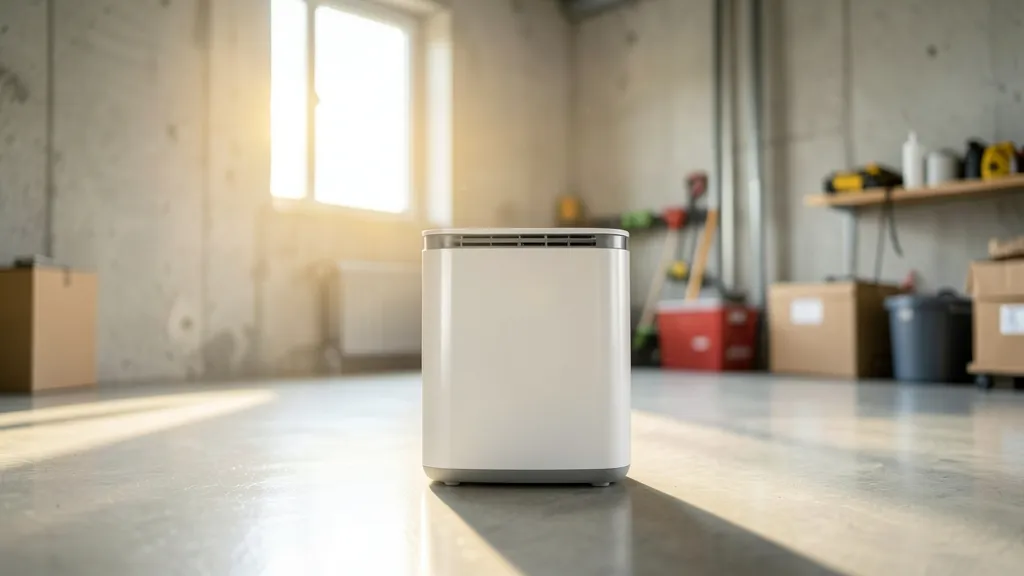
Post-remediation verification isn’t just a formality—it’s the only way to confirm your Lake Forest property is truly free of mold. Without it, hidden spores can regrow, putting your health and investment at risk. Our team uses industry-grade testing to validate that remediation was thorough and effective.
What Is Post-Remediation Verification?
Post-remediation verification (PRV) is the final step in professional mold remediation. It involves independent testing to confirm that mold levels are within acceptable, background ranges after cleanup.
This isn’t a visual inspection alone. We use air, surface, and sometimes bulk sampling to detect spores and mycotoxins that aren’t visible to the naked eye.
Why Lake Forest Homes Need PRV After Mold Removal
Our Mediterranean climate means warm, dry summers and mild, wet winters—ideal for mold to thrive in hidden spaces like crawl spaces, attics, and behind drywall after water intrusion.
Neighborhoods near canyons or older builds in Mission Viejo and Laguna Hills often face recurring moisture issues. PRV ensures remediation addressed the root cause, not just the surface mold.
Even if surfaces look clean, mold can linger in HVAC systems, subflooring, or inside walls. PRV is the only way to catch it.
How PRV Differs From Initial Mold Testing
Initial mold testing identifies the type and extent of infestation before remediation. PRV, on the other hand, confirms that cleanup reduced mold to safe levels.
We often use different sampling methods post-remediation. For example, air sampling is critical for PRV to measure airborne spore counts, while pre-remediation testing might focus on surface swabs.
| Aspect | Initial Mold Testing | Post-Remediation Verification |
|---|---|---|
| Purpose | Identify mold presence and type | Confirm mold removal success |
| Timing | Before remediation | After remediation |
| Primary Methods | Air, surface, bulk sampling | Air sampling, spore traps, sometimes ERMI/PCR |
| Focus | Source and extent of infestation | Spore count comparison to outdoor/baseline levels |
The Science Behind Clearance Testing
Clearance testing compares indoor spore counts to outdoor baseline levels. If indoor counts are similar or lower, the remediation passes.
We use spore trap analysis, which captures airborne spores on a sticky slide for lab identification. ERMI and PCR testing may be used for deeper mycotoxin or species-specific validation.
A passing PRV report should include lab results, spore count comparisons, and a professional interpretation. Ask for this documentation.
Common PRV Failures and What They Mean
Failed PRV usually indicates incomplete remediation. Common culprits: missed hidden mold in crawl spaces or attics, improper containment during removal, or unresolved moisture sources.
In commercial properties, especially in Irvine or Rancho Santa Margarita, HVAC systems often harbor mold. PRV can reveal if duct cleaning was overlooked.
What Happens If PRV Fails?
A failed test doesn’t mean starting over. We re-inspect to locate the source—often a missed patch of mold or lingering moisture—and perform targeted re-cleaning.
Re-testing follows the same rigorous standards. No shortcuts. This ensures your property meets EPA and IICRC guidelines for mold remediation.
Next Steps After a Failed PRV
- Re-inspect the remediated area with moisture meters and thermal imaging
- Identify and address any remaining water intrusion sources
- Perform localized re-cleaning with HEPA vacuuming and antimicrobial treatment
- Re-test with the same PRV protocols
PRV for Different Property Types
Residential PRV often focuses on basements, attics, and bathrooms. In Lake Forest, crawl space mold is a frequent issue due to poor ventilation and ground moisture.
Commercial mold remediation, common in office parks near Irvine, requires larger-scale PRV. We test multiple zones, including HVAC systems, to ensure tenant safety.
Cost Factors for Post-Remediation Verification
PRV costs vary based on property size, number of samples, and testing methods. Larger homes or commercial buildings in Mission Viejo or Laguna Hills require more samples, increasing lab fees.
Specialized tests like ERMI or PCR add cost but provide deeper insights. For an accurate estimate, request a quote tailored to your property’s needs.
How to Prepare for Post-Remediation Verification
Proper preparation ensures accurate PRV results and avoids delays.
- 1Complete All Remediation Work
Ensure all mold removal, cleaning, and repairs are finished before scheduling PRV. This includes drying out water-damaged areas.
- 2Avoid Disturbing the Area
Don’t clean or vacuum the remediated space before testing. This can skew spore count results.
- 3Control the Environment
Keep windows closed for 24 hours before air sampling to stabilize indoor spore levels for accurate comparison to outdoor air.
- 4Provide Access
Clear the area of furniture or stored items so our team can take samples from walls, floors, and air without obstructions.
- 5Share Remediation Documentation
Provide any pre-remediation test results or remediation reports. This helps us tailor PRV to your specific case.
Frequently Asked Questions
Is post-remediation verification required by law in Lake Forest?
While California doesn’t mandate PRV for residential properties, it’s a best practice and often required by insurance or real estate transactions. Commercial properties may have stricter local or industry standards.
Can I do my own post-remediation testing?
DIY test kits lack the precision of professional lab analysis. They also don’t include the expertise to interpret results or compare against outdoor baselines. For accuracy, hire a certified mold inspector.
How soon after remediation should PRV be done?
PRV should occur after all remediation work is complete and the area is fully dry. Typically, this is within a few days to a week post-remediation, but timing depends on the scope of work.
What’s the difference between PRV and a final walkthrough?
A final walkthrough is a visual inspection to ensure work was completed. PRV involves scientific testing to confirm mold levels are safe. Both are important, but PRV is the only way to verify air quality.
Does PRV cover water damage restoration verification?
PRV focuses on mold. However, we often pair it with moisture mapping to confirm water damage restoration was successful. This is critical in areas like crawl spaces or basements prone to recurring leaks.
Can PRV detect mold in my HVAC system?
Yes. Air sampling during PRV can reveal elevated spore counts that may originate from HVAC ducts. If suspected, we’ll recommend duct inspection or cleaning as part of the remediation process.