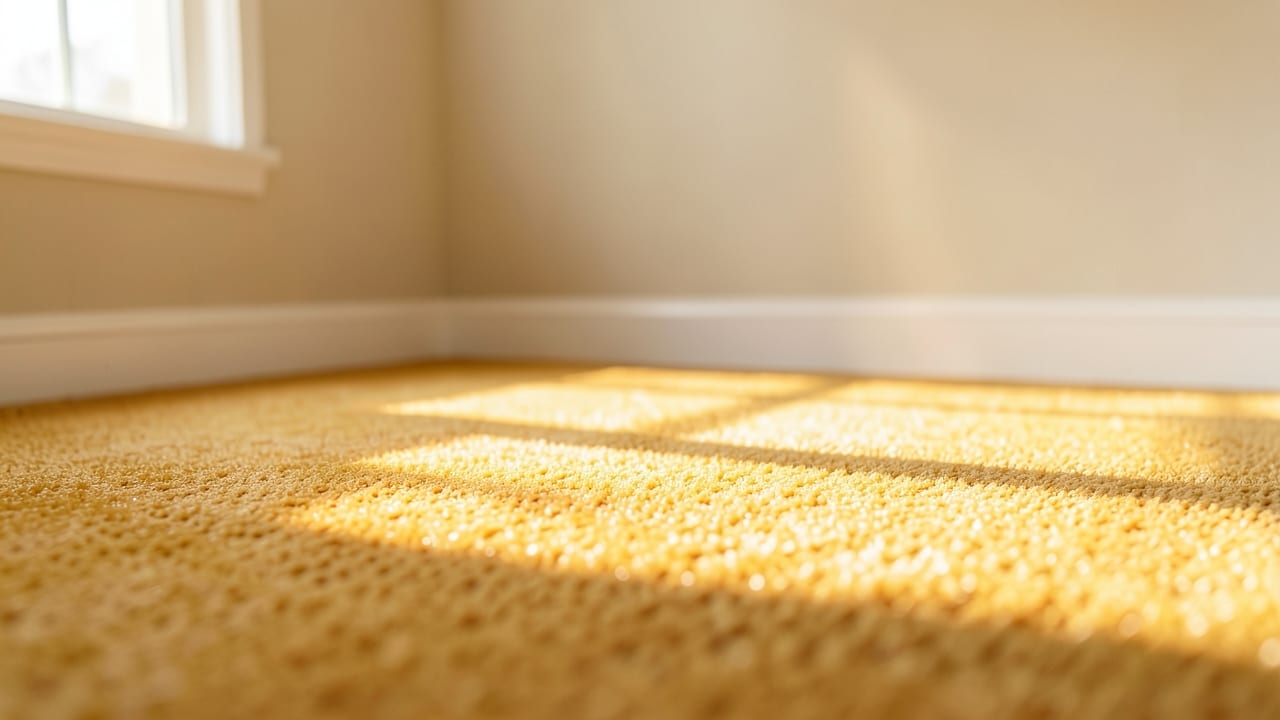
Carpet Mold Treatment
Professional assessment and removal of mold growth from carpets to restore a safe indoor environment.
Carpet mold treatment in Lake Forest, CA targets hidden growth caused by moisture, poor ventilation, or spills. Unlike surface cleaning, this service removes mold from carpets and padding while containing spores to prevent spread.
Proper remediation includes containment, HEPA filtration, and addressing moisture sources to reduce regrowth risks in your home.
We also handle Restaurant Mold Remediation and Clinic Mold Remediation for Lake Forest properties.
When carpet mold treatment is needed
Mold on carpets often starts small but spreads quickly in damp areas like bathrooms, basements, or under furniture. Visible signs include discolored patches, a musty smell, or recurring growth after cleaning. If mold covers more than a small area or returns after treatment, professional remediation is recommended.
Hidden mold is another warning sign. If you notice a persistent musty odor with no visible mold, growth may be trapped under carpets, in walls, or inside HVAC ducts. Poor ventilation or leaks can worsen the problem, making containment and moisture control critical steps in treatment.
Signs Carpet Mold Treatment Is Needed
- Mold covers more than a small, isolated patch (typically over 25 square feet).
- Musty smell persists even after cleaning or with HVAC running.
- Mold keeps returning in the same spot after DIY cleaning attempts.
- Visible growth appears after water damage or flooding.
- Carpet padding or subfloor feels damp to the touch.
What affects carpet mold treatment costs
The cost of carpet mold treatment varies based on the size of the affected area, the extent of mold growth, and whether hidden moisture sources need addressing. Black mold or extensive damage typically requires more labor and materials, increasing the total price.
Additional factors include containment setup, HEPA filtration equipment, and clearance testing. A full remediation job—including inspection, removal, drying, and testing—costs more than a basic cleaning service that only addresses surface mold.
Avoiding common mistakes after treatment
After mold remediation, fixing the moisture source is just as important as removing the mold. Leaks, poor ventilation, or high humidity can cause regrowth if not addressed. Installing dehumidifiers or improving airflow in damp areas helps prevent recurrence.
Skipping clearance testing or using non-HEPA equipment during remediation can leave spores behind, leading to further contamination. Always verify that a licensed contractor follows proper containment and filtration protocols to ensure a safer outcome.
Beware of bids that exclude containment, clearance testing, or a written scope of work. Verbal estimates without itemized details can lead to unexpected costs or incomplete treatment. Always confirm the contractor’s license and ask for post-remediation testing.
How carpet mold treatment works
- 1Inspection and Containment
A professional inspects the carpet and surrounding areas to locate mold growth. The work zone is sealed with plastic sheeting, and negative-air machines create a contained space to prevent spores from spreading during removal.
- 2Removal of Affected Materials
Mold-infested carpet padding and porous materials are cut out and disposed of in sealed bags. Non-porous surfaces like tile or framing are scrubbed and treated to eliminate hidden mold.
- 3HEPA Filtration and Drying
HEPA air scrubbers run continuously to capture airborne spores, and surfaces are vacuumed with HEPA-filtered tools. Industrial dehumidifiers and air movers dry the subfloor and framing to prevent future mold growth.
- 4Clearance Testing
An independent lab tests air or surface samples to confirm mold levels are back to normal before containment is removed. This step ensures the treatment was effective and the area is safe to reoccupy.
Frequently asked questions
Can I clean carpet mold myself, or should I hire a professional?
Small, isolated patches of mold can sometimes be cleaned with vinegar or a commercial mold remover, but carpets absorb moisture deeply. If the mold covers more than 25 square feet, keeps returning, or you smell it hidden under flooring, professional treatment is recommended to prevent spread.
How long does carpet mold treatment take?
Treatment duration depends on the size of the area and moisture levels. A single room may take 1–3 days for containment, removal, drying, and testing. Larger or complex cases—like mold in HVAC ducts—can extend the process.
Will my insurance cover carpet mold treatment?
Some homeowners’ insurance policies cover mold remediation if the cause is sudden water damage (e.g., a burst pipe). Slow leaks or poor ventilation typically aren’t covered. Check your policy or consult your insurer before proceeding.
How do I prevent mold from coming back after treatment?
Fix leaks, improve ventilation in damp areas, and monitor humidity (aim for 30–50% relative humidity). Use dehumidifiers in persistently damp rooms and ensure downspouts direct water away from your home’s foundation.
Where Lake Forest sits, and what the Census lists nearby
Lake Forest sits in California, and the closest places listed in the U.S. Census Gazetteer are Mission Viejo (3.3 miles south), Laguna Woods (4.3 miles southwest), Laguna Hills (4.6 miles south), Modjeska (4.6 miles northeast).
Within 25 miles of Lake Forest the same source lists 62 distinct incorporated places and census-designated places.
Those figures matter for carpet mold treatment because they are straight-line distances between Census coordinate points: road mileage between Lake Forest and Mission Viejo runs longer than the 3.3 miles shown, which is why quotes for the same job differ between towns that look close together on a map.
Source: U.S. Census Bureau Gazetteer.
See Williams Canyon, CA for more, or discover the rest of our Lake Forest lineup by service type for our complete lineup.
Ready to get started?
Talk to a local mold remediation pro in Lake Forest — get a written quote.
Other Mold Remediation Services in Lake Forest

Restaurant Mold Remediation in Lake Forest, CA
Professional mold removal and remediation for restaurant spaces to ensure safety and compliance.
Learn More
Clinic Mold Remediation in Lake Forest, CA
Professional mold removal and remediation to restore safe, healthy indoor spaces.
Learn More
Hotel Mold Remediation in Lake Forest, CA
Professional removal and treatment of mold growth in hotel properties to restore safe, clean environments.
Learn More
Fire Smoke Mold Remediation in Lake Forest, CA
Professional cleanup and restoration of fire, smoke, and mold damage in homes.
Learn More
Pet Urine Mold Treatment in Lake Forest, CA
Professional removal of mold caused by pet urine in homes, including assessment and treatment.
Learn More
Pest Infestation Mold Remediation in Lake Forest, CA
Professional mold removal and remediation for pest-related infestations in homes.
Learn MoreCommon Questions About Mold Remediation in Lake Forest
Everything you need to know about mold remediation services in Lake Forest
How much does Carpet Mold Treatment typically cost in Lake Forest, CA?
Does coastal humidity around Lake Forest, CA change how mold risk is assessed?
Does mold mean the same thing as mildew?
Does homeowners insurance typically cover mold remediation?
Is black mold actually more dangerous than other mold types?
How long does a typical mold remediation job take?
Need Mold Remediation in Lake Forest?
Connect with local providers in Lake Forest for a detailed quote.
⏰ We answer your call • Serving all of Lake Forest and surrounding areas