Mold and Your HVAC System: A DIY Disaster Waiting to Happen in Lake Forest
Your HVAC system is a hidden highway for mold spores. Attempting DIY removal without proper containment or filtration often turns a small problem into a whole-home contamination. We’ve seen it firsthand in Lake Forest—humid coastal air meets poor ventilation, and mold thrives.
Why HVAC Mold Is Different
Mold in ductwork isn’t just surface-level. Spores circulate through every vent, settling in insulation, coils, and drain pans where moisture lingers.
Unlike visible wall mold, HVAC mold is often invisible until it’s widespread. By then, it’s already affecting indoor air quality and triggering allergies or respiratory issues.
The DIY Pitfalls We See Most Often
Homeowners grab bleach or store-bought sprays, but these only kill surface mold. The roots remain, and spores spread when disturbed without containment.
Improper drying after cleaning creates a perfect rebound scenario. Without addressing the moisture source—like a clogged condensate line—mold returns within weeks.
Bleach is ineffective on porous HVAC materials like fiberglass duct liner. It also leaves behind water, feeding future mold growth.
How Mold Takes Hold in Lake Forest HVAC Systems
Our coastal climate in Orange County means high humidity, especially in summer. Add a poorly sealed duct or a damp crawl space, and you’ve got a mold incubator.
Attics in Lake Forest, Irvine, or Mission Viejo often lack proper ventilation. Trapped heat and moisture from HVAC units create ideal conditions for mold colonies on wood framing or insulation.
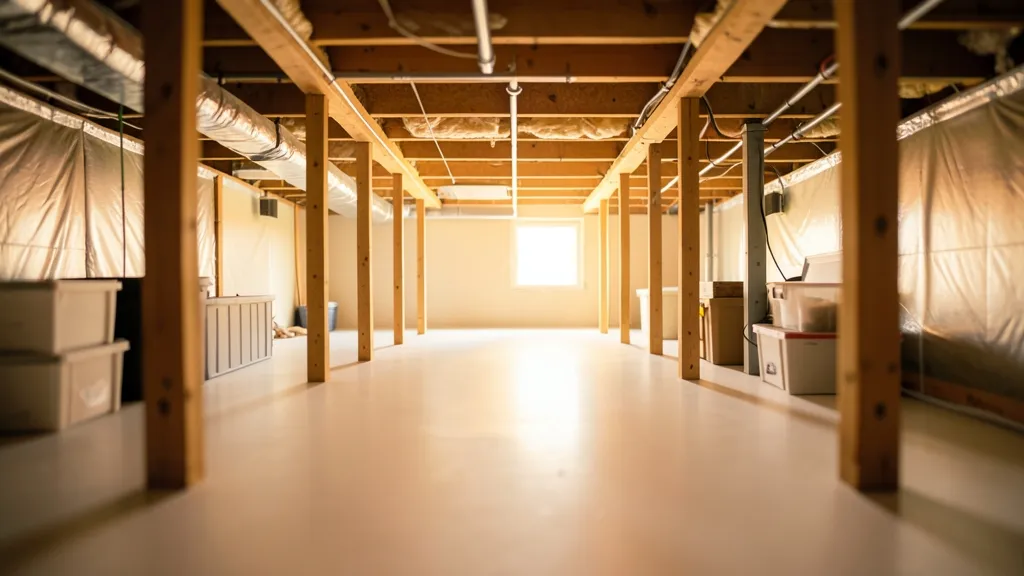
Basements and crawl spaces in older homes are another hotspot. Water intrusion from heavy rains or poor grading leads to chronic dampness that feeds mold.
DIY vs. Professional HVAC Mold Remediation: What’s the Real Difference?
Professionals use HEPA vacuums, negative air pressure, and antimicrobial treatments to ensure spores don’t escape during removal. DIY methods lack these safeguards.
We also address the root cause—whether it’s a leaky air handler, improperly sized ductwork, or a malfunctioning dehumidifier. Without fixing these, mold will return.
| Factor | DIY Approach | Professional Approach |
|---|---|---|
| Containment | None or minimal (e.g., plastic sheeting) | Full containment with negative air pressure |
| Spores Removal | Surface-level (bleach, sprays) | HEPA filtration + antimicrobial treatment |
| Moisture Source | Often overlooked | Identified and corrected |
| Safety | Risk of exposure to spores and chemicals | PPE, respirators, and controlled environment |
| Long-Term Prevention | Unlikely without expertise | Moisture control plan + follow-up testing |
The Hidden Costs of a Botched Job
Cross-contamination is the biggest risk. DIY efforts can spread spores to previously clean areas, turning a localized issue into a whole-home remediation project.
Health costs add up too. Mold exposure can exacerbate asthma, cause chronic sinusitis, or trigger immune responses in sensitive individuals. These aren’t just inconveniences—they’re medical bills.
Most homeowners’ policies exclude mold damage caused by neglect or improper remediation. Professional documentation protects your claim.
When to Call in the Pros
If you smell musty odors when the HVAC runs, that’s a red flag. Visible mold on vents, coils, or ductwork is a serious issue—don’t wait.
After water damage—like a burst pipe in Laguna Hills or a leaky roof in Rancho Santa Margarita—mold can develop within 24-48 hours. Immediate professional drying and inspection are critical.
What Professional HVAC Mold Remediation Looks Like
We start with a thorough inspection and air quality testing to assess the extent of contamination. This includes checking ductwork, coils, drain pans, and insulation.
Containment barriers isolate the work area. HEPA air scrubbers run continuously to capture airborne spores during removal.
Antimicrobial treatments are applied to kill mold at the root. Then, we address moisture sources—repairing leaks, improving ventilation, or installing dehumidifiers.
Preventing Mold Before It Starts
Regular HVAC maintenance is your first line of defense. Replace filters every 1-3 months, and schedule annual duct inspections, especially in older homes.
Control humidity with dehumidifiers in damp areas like crawl spaces or basements. Aim for indoor humidity below 60% to discourage mold growth.
In Lake Forest’s climate, even small leaks or condensation can lead to big problems. Address water intrusion immediately, whether it’s from a roof, plumbing, or poor drainage.
HVAC Mold Prevention Checklist
- Inspect and clean ductwork annually
- Replace HVAC filters every 1-3 months
- Use a dehumidifier in high-moisture areas
- Seal ducts to prevent condensation
- Address water leaks immediately
- Schedule professional air quality testing if odors persist
How to Inspect Your HVAC System for Mold
Catching mold early can save you from costly remediation.
- 1Turn Off the HVAC System
Prevent spores from spreading by shutting down the system before inspection.
- 2Check for Visible Mold
Use a flashlight to inspect vents, ductwork, and the air handler for black, green, or white spots.
- 3Smell for Musty Odors
Mold often has a distinct earthy or musty smell, especially when the system is running.
- 4Look for Moisture
Check for condensation around coils, drain pans, or ducts. Standing water is a breeding ground for mold.
- 5Inspect Filters
A dirty or moldy filter is a sign of contamination. Replace it immediately if you see mold.
- 6Call a Professional
If you find mold or suspect hidden contamination, stop DIY efforts and request a quote from a local expert.
Frequently Asked Questions
Can I just replace my HVAC filter to get rid of mold?
Replacing the filter removes some spores, but it won’t address mold growing in ductwork, coils, or drain pans. If mold is present, the entire system needs professional cleaning and treatment.
How do I know if my Lake Forest home’s HVAC mold is dangerous?
All mold should be treated seriously, but black mold (Stachybotrys) and other toxic varieties require immediate attention. Professional testing identifies the type and extent of contamination.
Is mold in my HVAC system covered by homeowners insurance?
Coverage varies. Most policies exclude mold caused by neglect or poor maintenance. However, if mold results from a covered peril (like a burst pipe), you may have a claim. Documentation from a professional remediation team helps.
Can mold in my HVAC affect my neighbors in Mission Viejo or Irvine?
Mold spores are contained within your home’s system, but if contamination is severe and airflow is shared (e.g., in multi-unit buildings), spores can spread. Always address mold promptly to avoid wider issues.
What’s the difference between mold testing and air quality testing?
Mold testing specifically identifies mold types and spore counts, while air quality testing measures a broader range of contaminants, including pollen, dust, and VOCs. For HVAC mold, we recommend both to assess overall indoor air health.
How long does HVAC mold remediation take in Lake Forest?
The timeline depends on the extent of contamination. A typical residential project takes 1-3 days for remediation, with additional time for drying and follow-up testing. Larger or commercial systems may require a week or more.