Large-Scale Mold Removal for Schools in Lake Forest: Protecting Students and Staff
Schools face unique mold risks due to high occupancy, aging infrastructure, and Southern California’s seasonal humidity swings. Our team specializes in large-scale mold remediation tailored to educational facilities, ensuring minimal disruption and long-term protection for students and staff.
Why Schools Are High-Risk for Mold Growth
Poor ventilation, leaks in aging roofs, and high foot traffic create ideal conditions for mold spores to thrive in schools. Classrooms, gyms, and locker rooms often harbor hidden moisture in walls or ceilings.
Lake Forest’s mild winters and occasional heavy rains can exacerbate these issues, especially in older buildings. Undetected water intrusion in attics or crawl spaces accelerates mold colonization.
Health Risks of Mold in Educational Facilities
Exposure to mold like Stachybotrys or Aspergillus can trigger respiratory issues, allergies, and asthma attacks in students and staff. Children are particularly vulnerable due to developing immune systems.
Long-term exposure may lead to chronic sinusitis or skin irritation. Schools must act swiftly to mitigate these risks and maintain a safe learning environment.
Mold can spread within 24-48 hours of water damage. Immediate inspection and remediation are critical to prevent health hazards.
Our Large-Scale Mold Remediation Process for Schools
We begin with a thorough mold inspection and air quality testing to identify the extent of contamination and moisture sources. This step is non-negotiable for large facilities.
Containment barriers and negative air pressure systems isolate affected areas to prevent spore spread during removal. HEPA filtration ensures clean air throughout the process.
Containment vs. Full Remediation: What Schools Need
Not all mold issues require full-scale remediation. Containment may suffice for small, isolated patches, but widespread infestations demand comprehensive removal and structural drying.
| Scenario | Containment | Full Remediation |
|---|---|---|
| Isolated mold in one classroom | Often sufficient | Not needed |
| Mold in HVAC system | Inadequate | Required |
| Widespread attic or crawl space mold | Inadequate | Required |
| Recurring mold after previous treatment | Inadequate | Required |
Specialized Techniques for School Environments
We use antimicrobial treatments to kill mold at the root and prevent regrowth. For porous materials like drywall or ceiling tiles, removal is often necessary to ensure complete eradication.
Non-porous surfaces can be cleaned with HEPA vacuuming and specialized solutions. Our team also addresses hidden mold in ductwork, which can circulate spores throughout the building.
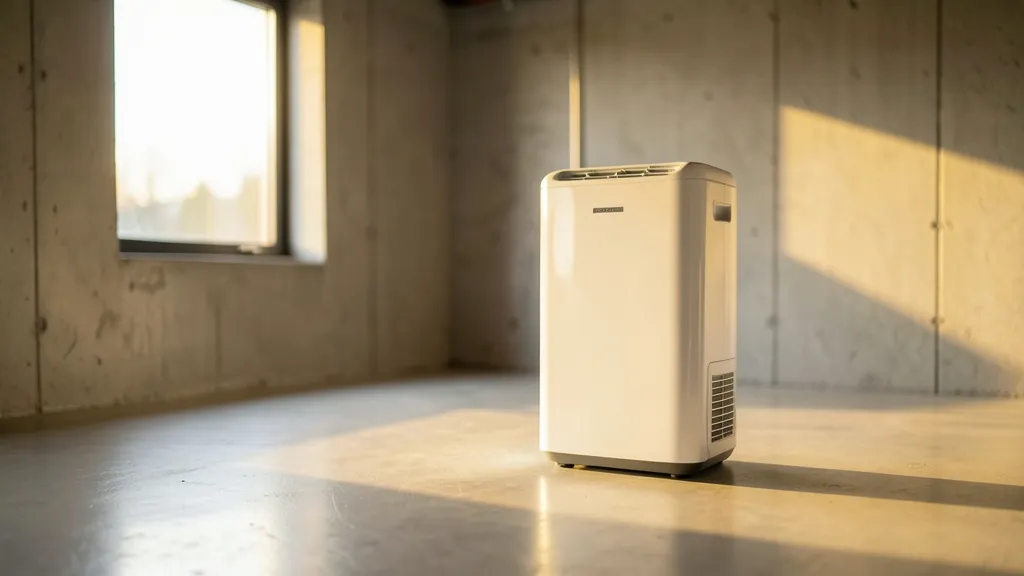
Installing dehumidifiers and improving ventilation in high-moisture areas like gyms and cafeterias reduces future mold risks.
Minimizing Disruption During Remediation
Schools can’t afford prolonged closures. We schedule work during breaks or off-hours and use phased remediation to keep classrooms operational where possible.
For large projects, we coordinate with administrators to relocate classes temporarily. Clear communication with staff and parents ensures transparency throughout the process.
Post-Remediation Verification and Prevention
After removal, we conduct follow-up air quality testing to confirm spore levels are safe. This step is critical for schools to reopen affected areas with confidence.
We also provide moisture control recommendations, such as fixing leaks, improving drainage, and sealing crawl spaces. Proactive measures prevent costly recurrence.
Post-Remediation School Checklist
- Schedule follow-up air quality testing
- Repair all water leaks and moisture sources
- Improve ventilation in high-risk areas
- Educate staff on mold prevention best practices
- Monitor humidity levels regularly
Serving Lake Forest and Beyond
Our expertise extends to neighboring areas like Irvine, Mission Viejo, and Laguna Hills, where similar climate conditions pose mold risks to schools and commercial buildings.
Whether it’s attic mold in Rancho Santa Margarita or crawl space remediation in older facilities, we tailor solutions to each location’s unique challenges.
How to Prepare Your School for Mold Remediation
Proper preparation ensures a smooth and effective remediation process.
- 1Identify and Document Mold Signs
Note visible mold, musty odors, or water stains. Photograph affected areas to help our team assess the scope.
- 2Clear Affected Areas
Remove furniture, supplies, and equipment from the work zone to facilitate access and protect belongings.
- 3Notify Occupants
Inform staff, students, and parents about the remediation schedule and any temporary relocations.
- 4Address Moisture Sources
Fix leaks or drainage issues immediately to prevent mold from returning after treatment.
- 5Schedule Air Quality Testing
Post-remediation testing verifies the success of the process and ensures a safe environment.
Frequently Asked Questions
How long does large-scale mold remediation take for a school?
Timelines vary based on the size of the infestation and the areas affected. Small, contained projects may take a few days, while extensive remediation in multiple classrooms or HVAC systems can take 1-2 weeks. We provide a detailed estimate after inspection.
Is it safe for students to return immediately after remediation?
Safety depends on post-remediation air quality testing results. We only clear areas for reoccupation after confirming spore levels meet healthy standards. This typically takes 24-48 hours after completion.
Can mold return after remediation?
Yes, if moisture issues aren’t addressed. Mold will regrow in damp, poorly ventilated areas. That’s why we emphasize moisture control and regular inspections as part of our prevention strategy.
Do you handle mold in school HVAC systems?
Absolutely. HVAC contamination is a common issue in schools and requires specialized cleaning or replacement of components. We use HEPA filtration and antimicrobial treatments to ensure the system doesn’t recirculate spores.
What’s the difference between mold removal and mold remediation?
Mold removal refers to eliminating visible mold, while remediation addresses the root cause—moisture—and ensures spores are contained and prevented from returning. Remediation is the comprehensive solution schools need.
Do you serve schools in nearby areas like Mission Viejo or Irvine?
Yes, we provide large-scale mold remediation for schools and commercial buildings across Orange County, including Mission Viejo, Irvine, Laguna Hills, and Rancho Santa Margarita. Each location receives the same thorough, localized approach.