Why Black Mold in Lake Forest Homes Can Lead to Long-Term Health Issues
Black mold isn’t just an eyesore—it’s a silent health threat lurking in damp corners of Lake Forest homes. Stachybotrys chartarum releases mycotoxins that can trigger chronic respiratory issues, allergies, and even neurological symptoms over time. We’ll break down the risks, why our local climate fuels growth, and how to act before it spreads.
What Exactly Is Black Mold and Why Is It Dangerous?
Black mold, or Stachybotrys chartarum, is a toxigenic fungus that thrives on cellulose-rich materials like drywall, wood, and insulation. Unlike common household molds, it produces mycotoxins—chemical compounds that can cause severe health reactions with prolonged exposure.
These mycotoxins don’t just irritate—they can suppress immune function, inflame airways, and even affect the nervous system. Children, the elderly, and those with pre-existing conditions are especially vulnerable.
Black mold often hides behind walls or under flooring. If you smell a musty odor or notice persistent allergies, assume it’s present until proven otherwise.
How Lake Forest’s Climate Encourages Mold Growth
Our Mediterranean climate—mild winters, warm summers, and coastal humidity—creates ideal conditions for mold. Even minor water intrusion from leaks or poor ventilation can kickstart a colony in as little as 24-48 hours.
Areas like attics, crawl spaces, and basements (common in older Lake Forest, Mission Viejo, and Irvine homes) are prime targets. Poor airflow in these zones traps moisture, accelerating spore spread.
Health Symptoms Linked to Black Mold Exposure
Short-term exposure may cause coughing, sneezing, or skin irritation—easily mistaken for seasonal allergies. But long-term contact can lead to chronic sinusitis, asthma-like symptoms, or even memory loss and fatigue.
Pets aren’t spared either. Dogs and cats exposed to mycotoxins may develop respiratory distress, skin lesions, or unexplained lethargy.
| Exposure Duration | Potential Symptoms | Most Affected Groups |
|---|---|---|
| Short-term (hours/days) | Coughing, sneezing, itchy eyes, skin rash | Allergy sufferers, healthy adults |
| Long-term (weeks/months) | Chronic sinusitis, asthma, fatigue, headaches | Children, elderly, immunocompromised |
| Chronic (years) | Neurological issues, immune dysfunction, respiratory disease | Individuals with pre-existing lung/heart conditions |
Where Black Mold Hides in Your Home
Black mold loves dark, damp, and undisturbed areas. In Lake Forest homes, we frequently find it behind drywall after plumbing leaks, under sinks, or in HVAC systems where condensation builds up.
Attic mold is another hotspot, especially in homes with poor roof ventilation. Crawl spaces in Laguna Hills or Rancho Santa Margarita often suffer from ground moisture wicking into wood framing.
Top Hiding Spots for Black Mold
- Behind drywall or wallpaper (especially near bathrooms/kitchens)
- Under carpets or padding (after flooding or spills)
- Inside HVAC ducts or drip pans
- In attics with roof leaks or poor insulation
- Crawl spaces with high humidity or standing water
- Basements or concrete slabs with moisture seepage
Why DIY Mold Removal Often Fails (and Can Make It Worse)
Bleach might kill surface mold, but it doesn’t reach the roots embedded in porous materials like drywall. Worse, scrubbing can release spores into the air, spreading contamination to other areas.
Without proper containment (negative air pressure, HEPA filtration), you risk cross-contaminating your home. Professionals use full PPE, air scrubbers, and antimicrobial treatments to ensure spores don’t return.
If mold covers more than 10 square feet, or if it’s in your HVAC system, stop DIY efforts. Improper removal can turn a small problem into a homewide infestation.
The Role of Mold Inspection and Testing Before Remediation
A thorough mold inspection identifies the species, spore count, and moisture sources fueling growth. Air quality testing can detect hidden mold even if it’s not visible.
In Lake Forest, we often pair inspections with thermal imaging to spot water intrusion behind walls—a common issue in older neighborhoods. This data guides a targeted remediation plan.
How Professional Mold Remediation Works
We start with containment to isolate the affected area, then use HEPA vacuums and air scrubbers to capture airborne spores. Infested materials are safely removed, and the space is treated with antimicrobial solutions to prevent regrowth.
Post-remediation verification testing ensures the mold is gone for good. This step is critical—many fly-by-night companies skip it, leading to recurrence.
Preventing Black Mold in Lake Forest’s Humid Seasons
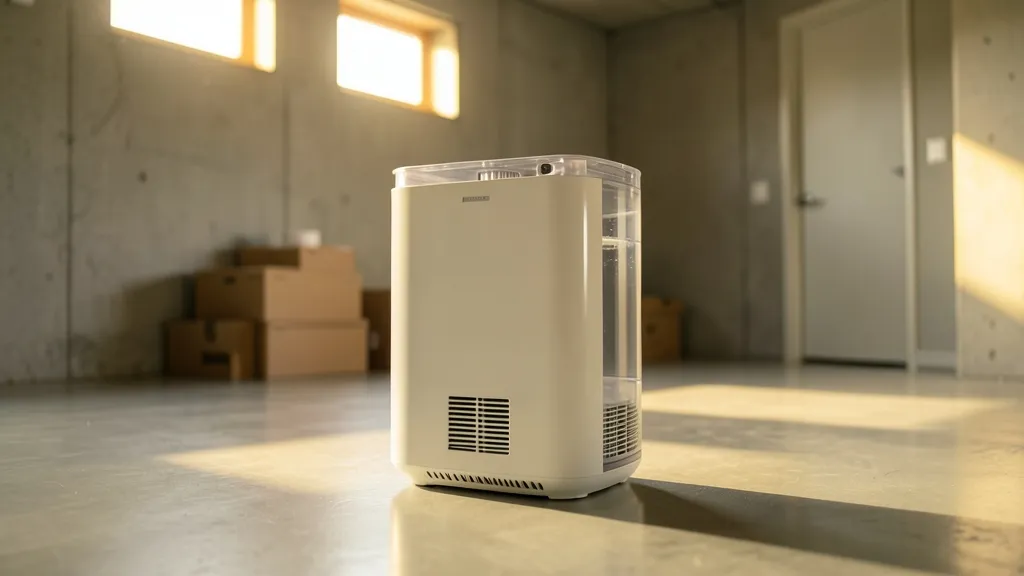
Controlling moisture is key. Fix leaks promptly, use dehumidifiers in crawl spaces, and ensure attics and bathrooms are well-ventilated. In our coastal climate, even small humidity spikes can trigger growth.
Regular HVAC maintenance prevents condensation buildup in ducts. For homes in Irvine or Mission Viejo with slab foundations, vapor barriers can block ground moisture from seeping in.
How to Inspect for Hidden Mold in Your Home
Follow these steps to catch mold early before it becomes a health hazard.
- 1Check for Musty Odors
Mold often has a distinct earthy, damp smell. Trace the odor to its source—it’s usually near the problem area.
- 2Look for Water Stains or Discoloration
Yellow, brown, or black stains on walls, ceilings, or floors often indicate past or current moisture issues.
- 3Inspect High-Risk Areas
Focus on bathrooms, kitchens, basements, attics, and around windows. Pay attention to caulking, grout, and under sinks.
- 4Use a Moisture Meter
These inexpensive tools measure moisture levels in materials. Readings above 15-20% in wood or drywall suggest a problem.
- 5Monitor for Health Symptoms
If family members experience unexplained allergies, respiratory issues, or fatigue that improves when away from home, mold could be the culprit.
- 6Call for Professional Testing
If you find signs but aren’t sure, a mold inspection with air and surface sampling provides definitive answers.
Frequently Asked Questions
Is black mold really more dangerous than other types of mold?
Yes, because Stachybotrys produces mycotoxins that can cause more severe and long-lasting health effects compared to common molds like Cladosporium or Penicillium. However, any mold in large quantities can pose risks.
Can black mold grow in newer Lake Forest homes?
Absolutely. Newer homes aren’t immune—poor construction practices, leaky pipes, or inadequate ventilation can still create the perfect environment for mold, even in recently built properties in Irvine or Laguna Hills.
How do I know if my symptoms are from mold or something else?
Mold-related symptoms often worsen at home and improve when you’re away. If you notice a pattern—like coughing only at night or headaches that clear up at work—it’s worth investigating for mold. A doctor can also perform tests for mold-related illnesses.
Does homeowners insurance cover black mold remediation?
It depends on the cause. Most policies cover mold damage resulting from a sudden, accidental event (like a burst pipe), but not from long-term neglect or poor maintenance. Always check your policy and document the source of moisture.
What’s the difference between mold removal and mold remediation?
Removal simply takes out the visible mold, while remediation addresses the root cause (like moisture) and ensures spores don’t return. Remediation includes containment, cleaning, and prevention—critical for long-term protection.
Can black mold come back after professional remediation?
Only if the moisture source isn’t fixed. Reputable companies like ours include moisture control in our process, but if new leaks or humidity issues arise, mold can return. That’s why we recommend regular inspections, especially in high-risk areas like crawl spaces or attics.